
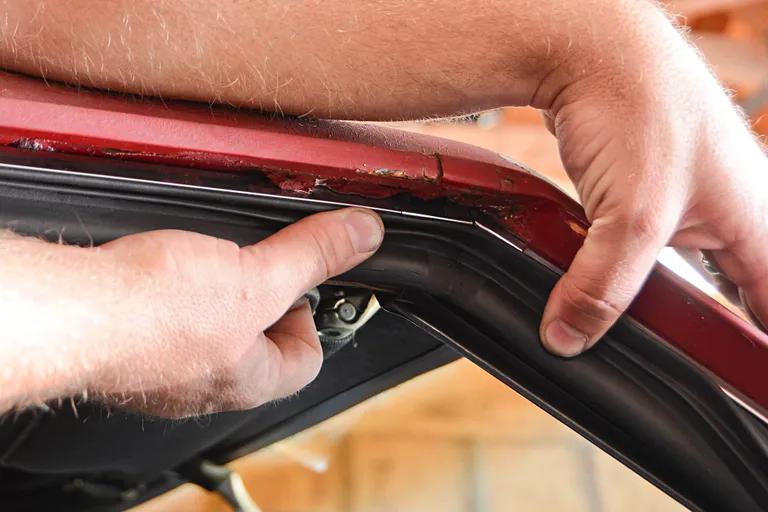
How to Replace Classic Car Weatherstripping and Stop Water Leaks
A beautifully restored classic car can still develop frustrating problems when its rubber seals begin to deteriorate. Water dripping onto carpets, wind noise around the windows, damp trunk carpeting, and doors that rattle while driving are common signs that weatherstripping needs attention. Replacing old rubber seals is an important part of preserving a vintage vehicle. A proper classic car weatherstripping replacement can help prevent water intrusion, reduce road noise, protect interior materials, and limit the conditions that contribute to hidden corrosion. Unlike modern vehicles, many classic cars use rubber profiles,
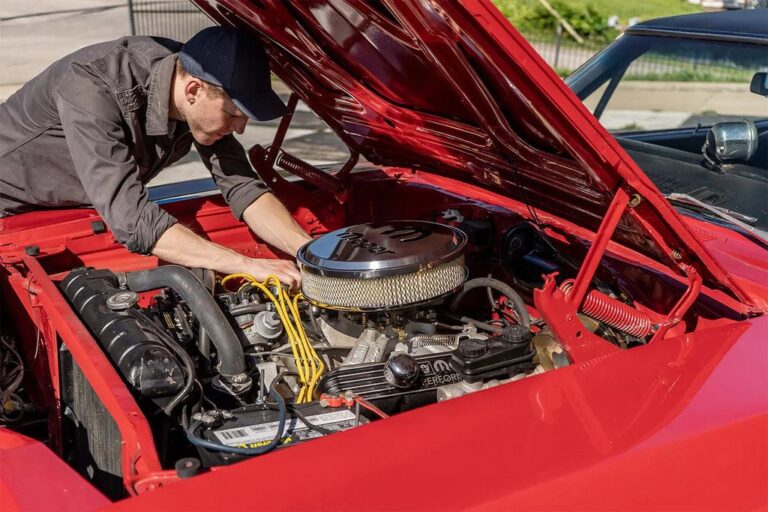
Ethanol Fuel and Classic Cars: How to Protect Your Vintage Fuel System
Classic cars were built during an era when gasoline formulations, fuel-system materials, and engine technology were very different from what drivers encounter today. Many vintage vehicles still rely on carburetors, mechanical fuel pumps, steel fuel tanks, and rubber fuel lines designed decades ago. As ethanol-blended gasoline becomes a familiar part of modern driving, understanding its effects on older vehicles is increasingly important. The relationship between ethanol fuel and classic cars is not always straightforward. Many older vehicles can operate on gasoline containing modest amounts of ethanol, particularly when their fuel
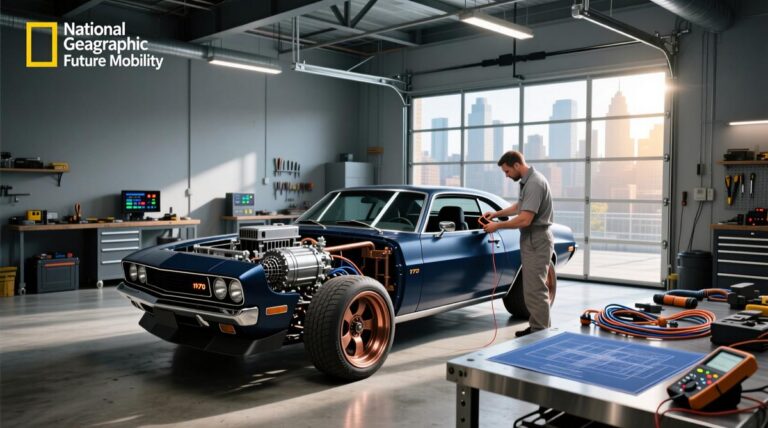
Electric Conversions for Classic Cars: Costs, Benefits, and Key Considerations
Classic cars are admired for their distinctive styling, mechanical character, and connection to automotive history. For many enthusiasts, preserving the original engine and drivetrain is an essential part of ownership. However, a growing number of classic car owners are exploring a different approach: replacing traditional gasoline engines with modern electric powertrains. Electric conversions offer an interesting way to combine vintage styling with contemporary technology. Instead of rebuilding an aging combustion engine, owners can install an electric motor, battery pack, and supporting electronics while retaining much of the vehicle’s original appearance.
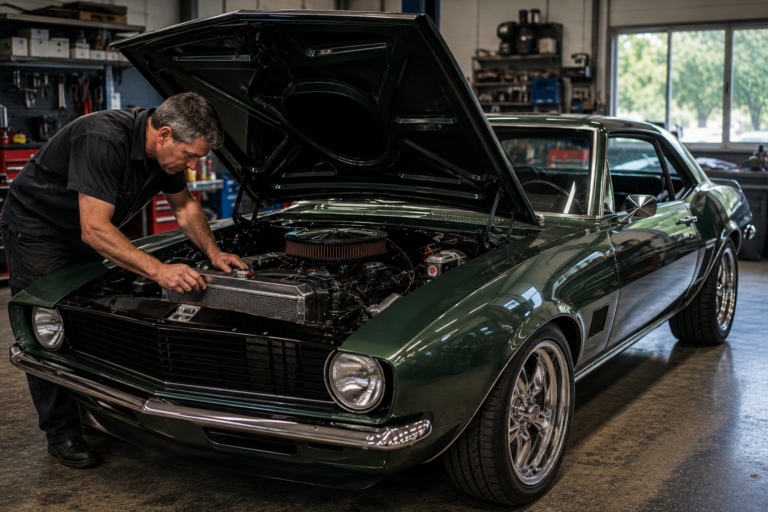
How to Prevent Overheating in a Classic Car: Cooling System Guide
Few sights make a classic car owner more uncomfortable than watching the temperature gauge climb toward the hot end of the scale. Older vehicles can be especially sensitive to cooling-system problems because decades of corrosion, aging hoses, partially blocked radiators, weak water pumps, incorrect thermostats, and worn fan components can all reduce the system’s ability to control engine temperature. A properly functioning classic car cooling system should keep the engine within its intended operating range whether the vehicle is cruising down an open highway or sitting in slow traffic. Preventing
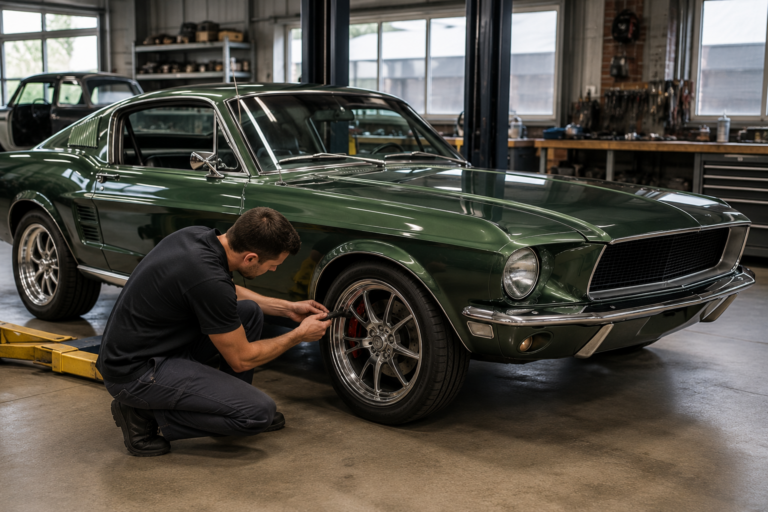
Modern Safety Upgrades for Classic Cars Without Losing Their Character
Classic cars have a personality that modern vehicles often cannot duplicate. The mechanical feel, analog controls, distinctive styling, chrome details, and unmistakable engine sound are major reasons enthusiasts continue to restore and drive vintage vehicles. However, many classics were designed decades before today’s expectations for braking, lighting, tires, occupant protection, and reliability. Fortunately, improving safety does not necessarily mean turning a vintage vehicle into something that feels completely modern. Carefully selected modern safety upgrades for classic cars can improve confidence behind the wheel while preserving the appearance and personality that

How to Inspect a Classic Car Before Buying: A Restoration Buyer’s Checklist
Buying a classic car can be exciting, but it can also be risky if you do not know what to inspect before making a decision. A beautiful paint job, polished chrome, or clean interior can hide expensive problems underneath. Rust, hidden body damage, missing parts, weak engines, poor wiring, and questionable paperwork can turn a dream project into a costly restoration mistake. That is why every buyer needs a classic car inspection checklist before purchasing. Whether you are looking for a weekend cruiser, a full restoration project, or a collector-grade

How to Create a Preventive Maintenance Schedule for Your Classic Car
A classic car maintenance schedule helps owners keep restored vehicles reliable, clean, and ready for the road. Instead of waiting for problems to appear, a written schedule gives each part of the vehicle regular attention. This includes the engine, fluids, tires, brakes, battery, paint, interior, and storage conditions. After a restoration, many owners focus on enjoying the finished car. That is understandable, but routine care is what helps preserve the work already completed. A restored vehicle can still develop leaks, corrosion, worn rubber parts, weak batteries, or stale fluids if

Essential Tips for Maintaining Your Classic Car After Restoration
Restoring a classic car is a significant investment in time, money, and effort. However, the restoration process is only the beginning of the journey. To ensure that your classic car remains in top condition and continues to perform well for years to come, regular maintenance is crucial. In this guide, we will walk you through essential tips for maintaining your classic car after restoration, including engine care, storage, cleaning, and more. Following these tips will help preserve the beauty and functionality of your restored vehicle. 1. Regularly Check and Maintain

Restoring Classic Car Interiors: A Complete Guide to Upholstery and Detailing
Restoring a classic car isn’t just about the engine or exterior – the interior plays a huge role in its overall appeal. Whether you’re restoring a vintage muscle car or a classic European model, a well-restored interior can make a world of difference. In this comprehensive guide, we’ll cover everything you need to know about restoring your classic car’s interior, from upholstery to detailing, to make it as beautiful and functional as the day it was first built. 1. Upholstery Restoration: Replacing Old Materials The upholstery in a classic car

The Pros and Cons of Classic Car Restorations: Is It Worth It?
Classic car restoration is a fascinating yet demanding process, but is it worth it? If you’ve ever wondered whether restoring a classic car is the right choice for you, this article dives into the pros and cons of classic car restorations. By weighing these factors, you can make an informed decision about whether embarking on a restoration project aligns with your goals and expectations. The Pros of Classic Car Restoration Restoring a classic car can be an exciting and rewarding experience, but there are several key advantages to consider. Here

How to Choose the Right Paint for Your Classic Car Restoration
When restoring a classic car, choosing the right paint is a crucial step in ensuring the vehicle looks as beautiful as it did when it first rolled off the factory floor. Whether you’re aiming for authenticity or giving your vintage vehicle a custom look, the paint you choose can make a significant impact on the final result. In this guide, we’ll walk you through the steps to select the best paint for your classic car restoration. Factors to Consider When Choosing Classic Car Paint Choosing the right paint involves more

How to Choose the Right Restoration Project for Your Classic Car
Factors to Consider When Selecting a Restoration Project Restoring a classic car is a dream for many automotive lovers. Bringing an iconic ride back to life offers both a creative challenge and a rewarding result. But before you begin, choosing the right restoration project is crucial — the wrong car can cost you time, money, and motivation. This guide covers the key factors like car condition, budget, parts availability, and project goals to help you make the right choice. 1. Assess the Condition of the Car The first step in