
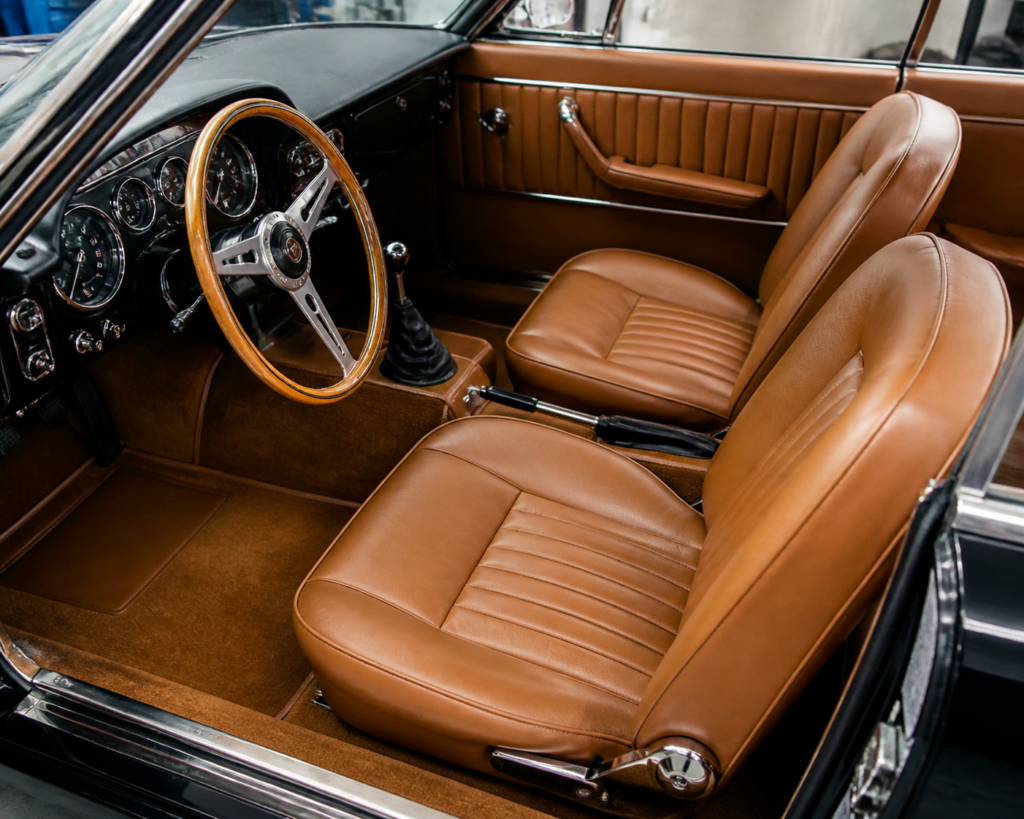
Restoring a classic car isn’t just about the engine or exterior – the interior plays a huge role in its overall appeal. Whether you’re restoring a vintage muscle car or a classic European model, a well-restored interior can make a world of difference. In this comprehensive guide, we’ll cover everything you need to know about restoring your classic car’s interior, from upholstery to detailing, to make it as beautiful and functional as the day it was first built.
1. Upholstery Restoration: Replacing Old Materials
The upholstery in a classic car is often one of the first things to show signs of wear. Whether the seats are torn, faded, or simply uncomfortable, restoring the upholstery can breathe new life into the interior. Here’s a breakdown of the upholstery restoration process:
Choosing the Right Material
Classic car upholstery restoration begins with selecting the right materials. Depending on your car model and its original design, you may want to choose fabric, vinyl, or leather. Leather is a popular choice for high-end restorations, as it not only provides a luxurious feel but also ages beautifully over time. Fabric, on the other hand, may offer a vintage look while being more cost-effective. Some cars, particularly vintage models, came with unique fabrics or vinyl materials, which can be replicated by skilled restoration shops. For those looking for a modern twist, custom upholstery with contemporary designs and colors is also an option. Learn more about choosing the right upholstery for your classic car.
Removing Old Upholstery
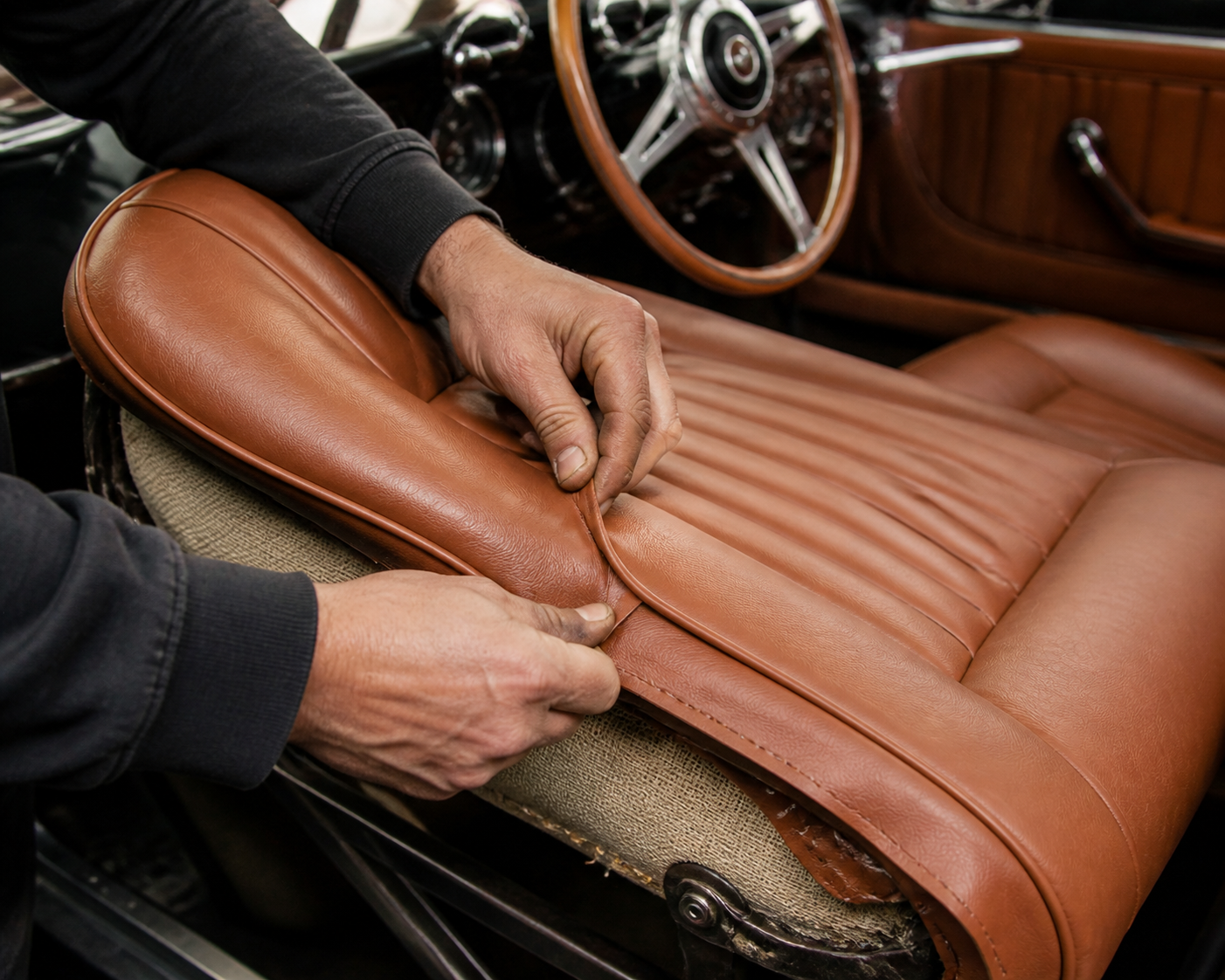
Before replacing old upholstery, it needs to be removed. This includes unfastening the seats, removing old fabrics, and cleaning the frame. In some cases, the foam beneath the fabric may also need replacing to provide better comfort and support. It’s essential to approach this step carefully, as improper removal can damage the car’s frame or structure. If you’re unsure, it’s best to work with an experienced restoration shop that can handle these delicate tasks. Additionally, while removing the old upholstery, it’s a good time to inspect the seat frames for any damage or rust that needs to be repaired before proceeding.
Reupholstering Seats
Once the old upholstery has been removed, the seats are reupholstered with the new material. This requires precision, especially if the original car seats had intricate designs or specific stitching patterns. Some restoration shops offer custom stitching and designs to match the car’s era or to bring a more modern look. Afterward, the seats are reinstalled in the car. It’s important to ensure that the upholstery is properly stretched to avoid wrinkles or sagging, as this can affect the car’s overall aesthetic. Discover more about classic car restoration with Hagerty.
2. Dashboard and Console Restoration
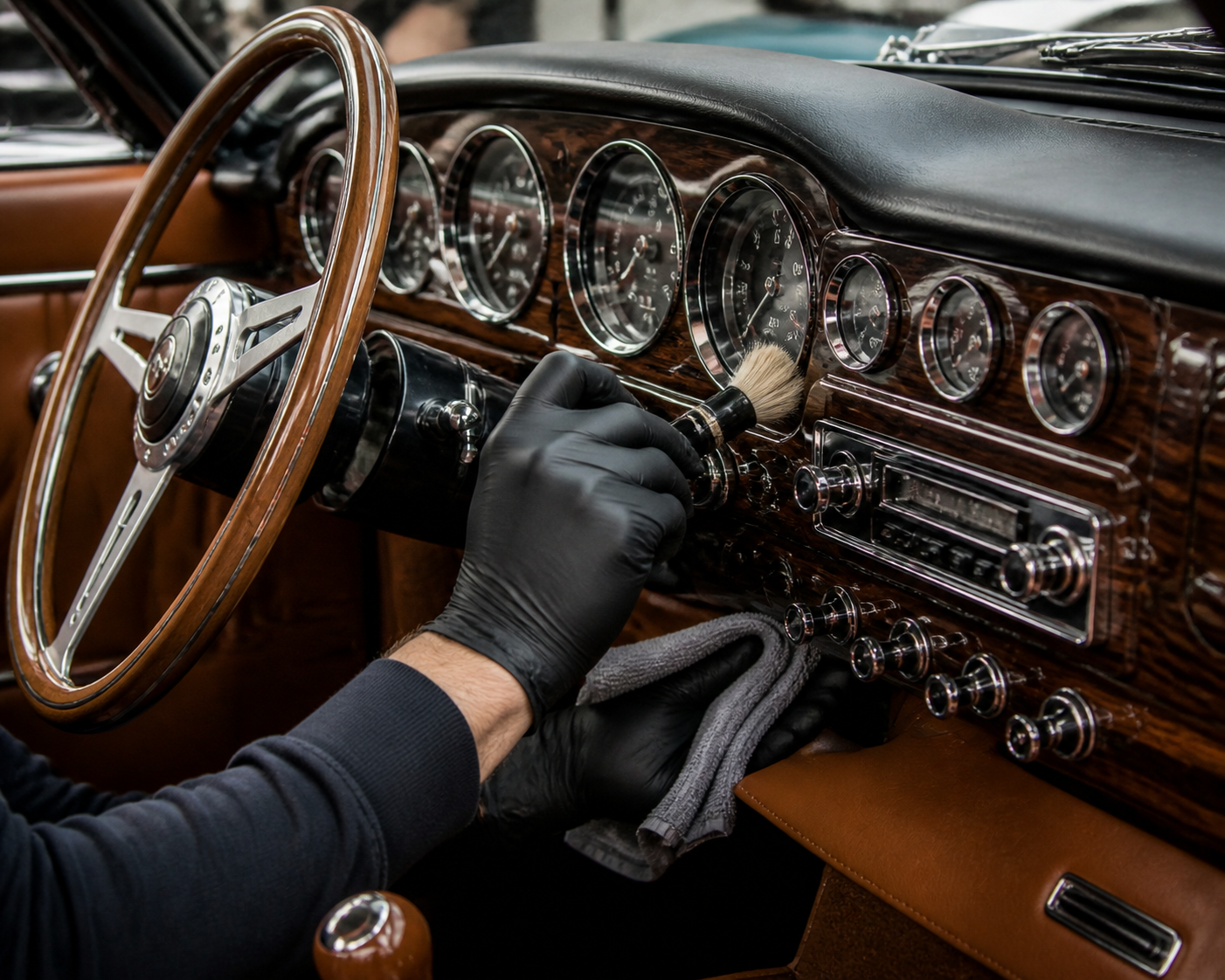
The dashboard and console are critical elements of the interior, and they are often the most challenging parts to restore. Restoring the dashboard requires attention to detail, as even small imperfections can affect the car’s overall appeal. The dashboard houses important components such as the instrument cluster, radio, and ventilation controls, and is often the focal point of the interior. Here’s how to approach dashboard and console restoration:
Cleaning and Refinishing
Start by thoroughly cleaning the dashboard and console to remove any dirt, grease, or grime. After cleaning, you may need to refinish the surfaces. This can include sanding, filling cracks, and applying a new coat of paint or stain. For high-end classic cars, wood veneer restoration is also a popular option. Some enthusiasts opt for custom wood finishes to add a unique touch to the interior. The refinishing process often requires sanding, priming, and applying several layers of clear coating for protection. The goal is to bring back the original shine and elegance of the dashboard while preserving the authenticity of the car.
Replacing Worn Components
In addition to the dashboard itself, many components such as buttons, knobs, and dials may need to be replaced. Over time, these elements may crack, fade, or become less responsive. Replacing these components with original or reproduction parts ensures that the car looks and functions like new. Some vintage car enthusiasts also choose to replace outdated systems (such as radios or air conditioning units) with more modern versions that still match the car’s vintage aesthetic. Upgrading electrical components like the dashboard lights or the heater fan may be necessary to ensure everything works properly. See how interior upgrades are becoming more common in restorations.
3. Detailing: Bringing It All Together
Detailing your classic car’s interior is the final step to make it shine. Interior detailing is essential for restoring that new-car feel, and it goes beyond basic cleaning. Here’s how to tackle it:
Cleaning and Conditioning the Upholstery
After the new upholstery is in place, cleaning and conditioning the leather or fabric is crucial. Leather needs to be conditioned to keep it soft and prevent cracking. Fabric seats can be cleaned with upholstery-specific cleaners to remove any stains or dirt. Additionally, carpets and mats should be shampooed to bring them back to their original state. A deep clean of the upholstery also removes any odors, leaving the car with a fresh, clean scent. You may also choose to treat the upholstery with protective products that prevent stains and wear from the sun or general use.
Cleaning and Polishing Trim and Glass
Don’t forget about the trim, mirrors, and glass. These parts require cleaning with specialized products to restore clarity and shine. For chrome trim, use a polishing cloth to bring back the shine and protect it from further tarnishing. For windows and mirrors, use a high-quality glass cleaner to ensure they’re streak-free and crystal clear. Detailing the interior can take time, but it makes a noticeable difference in the overall aesthetic of your car. The goal is to restore the interior to its original splendor, making every detail stand out. Check out more about detailing and maintaining classic car interiors.
4. Customization: Personalizing Your Classic Car Interior
Interior restoration is also a chance for customization. Many classic car owners prefer to add modern touches or personalized details to their car interiors. Some popular customization options include:
- Custom Upholstery: Choose a color or pattern that reflects your personality.
- Modern Electronics: Upgrade your stereo, navigation, and climate control systems.
- Vintage Accessories: Add period-correct items such as floor mats, steering wheels, or shifters.
Customizing the interior gives you the opportunity to make your car truly one-of-a-kind. Many restoration shops offer packages that include custom work, so you can create an interior that suits your taste while still respecting the car’s heritage. A custom interior is a great way to inject personal flair into your classic vehicle, making it an even more enjoyable driving experience. Read about popular classic car interior customization ideas.
Conclusion: Bringing Your Classic Car’s Interior Back to Life
Restoring your classic car’s interior can transform it from a worn, outdated space into something stunning and functional. Whether you’re focused on upholstery, detailing, or complete interior customization, these projects can elevate the look and feel of your car. A well-restored interior doesn’t just increase the car’s value – it enhances your driving experience and gives you a true sense of pride.