
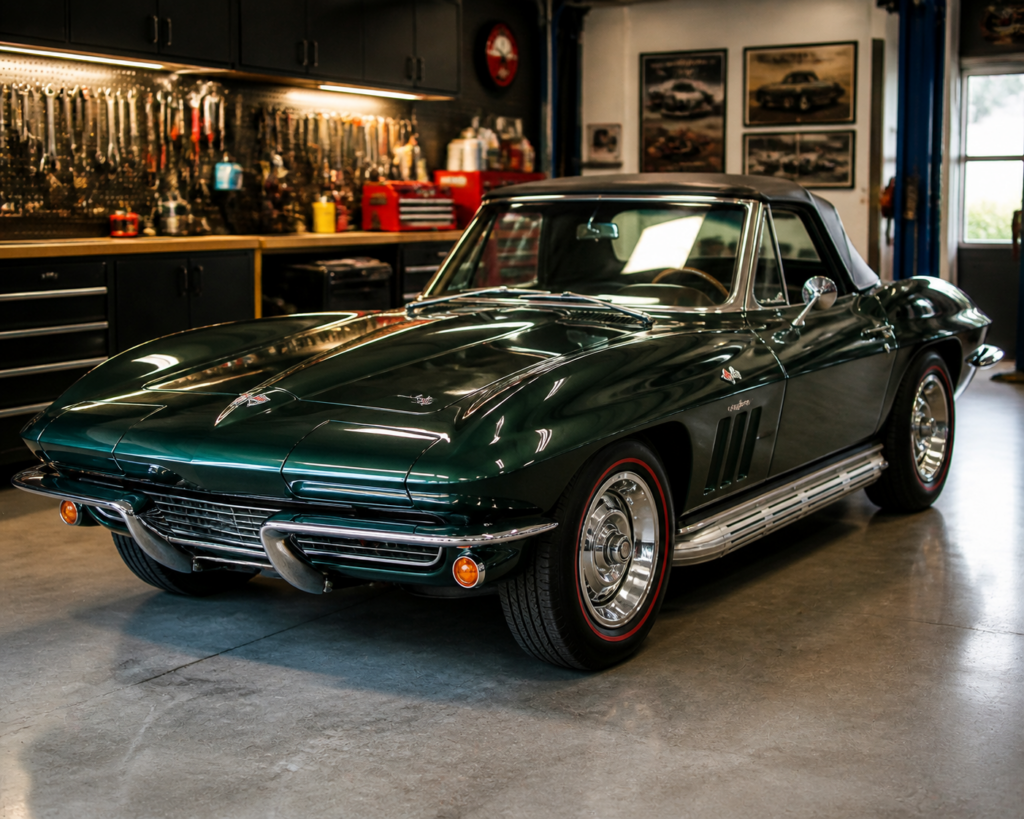
Restoring a classic car is a significant investment in time, money, and effort. However, the restoration process is only the beginning of the journey. To ensure that your classic car remains in top condition and continues to perform well for years to come, regular maintenance is crucial. In this guide, we will walk you through essential tips for maintaining your classic car after restoration, including engine care, storage, cleaning, and more. Following these tips will help preserve the beauty and functionality of your restored vehicle.
1. Regularly Check and Maintain the Engine
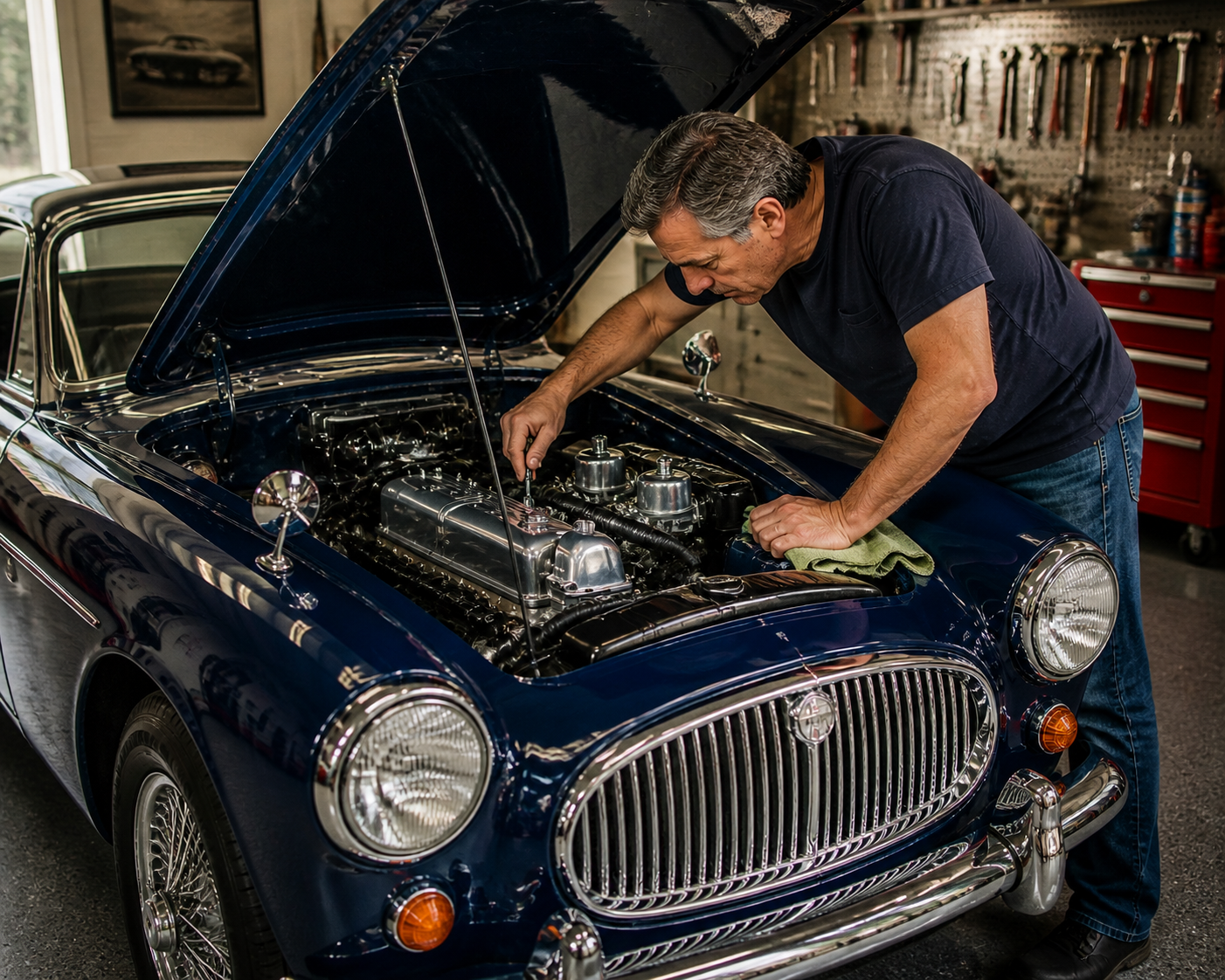
The engine is the heart of any car, and this is especially true for classic cars. After a restoration, it’s important to perform regular checks to ensure the engine remains in good working condition. Regular maintenance can prevent costly repairs down the road and help keep your classic car running smoothly. Here’s how to take care of your car’s engine:
Changing the Oil
Just like any other car, your classic car needs regular oil changes. For vintage vehicles, it’s recommended to change the oil more frequently to keep the engine lubricated and running efficiently. Old engines tend to collect more contaminants, so having the oil changed regularly can reduce wear and tear. Use the oil type recommended for your car’s engine model and keep an eye on the oil level. This simple maintenance task helps prevent engine overheating and ensures that the moving parts are properly lubricated. Discover the top 10 must-have tools for restoring vintage cars at Vintage Hammer Garage.
Changing the Oil
Just like any other car, your classic car needs regular oil changes. For vintage vehicles, it’s recommended to change the oil more frequently to keep the engine lubricated and running efficiently. Old engines tend to collect more contaminants, so having the oil changed regularly can reduce wear and tear. Use the oil type recommended for your car’s engine model and keep an eye on the oil level. This simple maintenance task helps prevent engine overheating and ensures that the moving parts are properly lubricated.
Inspecting Belts and Hoses
Belts and hoses can wear down over time, and their condition should be checked regularly. Cracks, wear marks, and loose components can lead to breakdowns. It’s crucial to inspect these parts frequently and replace them when necessary. A failure in these parts could lead to serious engine damage, so regular inspections will help avoid issues. If any belt or hose looks cracked, brittle, or frayed, it’s time to replace it to avoid costly repairs later on. Discover more tips for maintaining engine components.
2. Proper Storage to Protect Your Investment
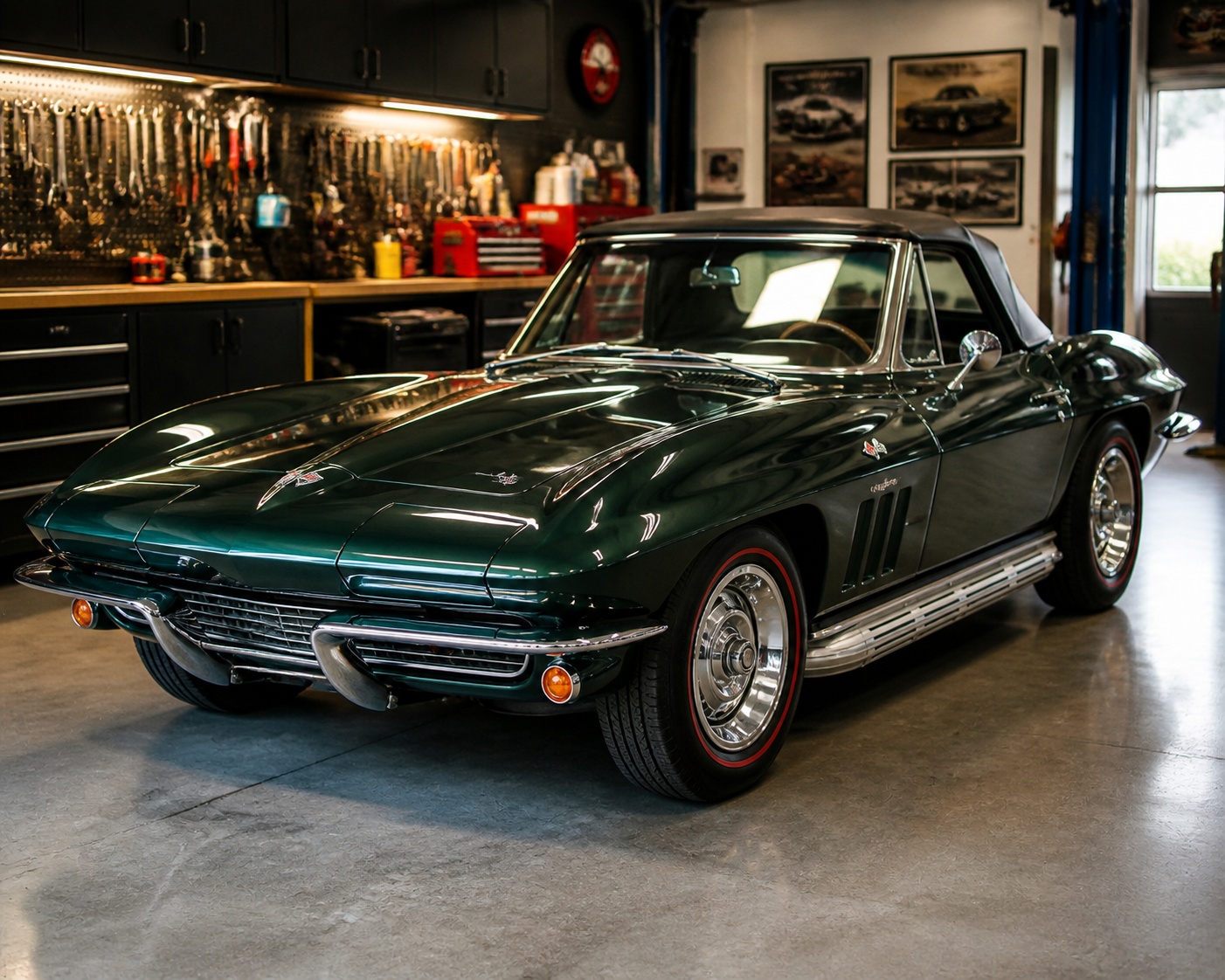
Where you store your classic car after restoration plays a huge role in maintaining its condition. Improper storage can lead to rust, fading, and even mechanical issues that can affect performance. Here are some tips for storing your classic car properly:
Storing in a Climate-Controlled Garage
If possible, store your classic car in a climate-controlled garage. Extreme temperatures and humidity can cause damage to both the interior and exterior of your car. High humidity levels can lead to rust and mold, while extreme heat can cause the paint to fade and the leather interior to crack. A climate-controlled space ensures your car is protected from these environmental factors. It also helps maintain the car’s rubber components, like seals and hoses, which can deteriorate in harsh climates.
Covering the Car
Even if you store your car in a garage, it’s important to use a quality car cover to protect the exterior from dust, debris, and potential damage. A cover helps maintain the paint job and keeps the car clean. Choose a breathable cover to prevent moisture buildup underneath, which could cause rust. The cover will also protect the car from accidental scratches, bird droppings, and UV rays. Make sure to get a cover that is specifically designed for your type of car.
3. Cleaning and Detailing Your Classic Car
Cleaning and detailing your classic car regularly not only keeps it looking great but also helps protect the paint, interior, and mechanical parts. Here’s how you can keep your classic car looking brand new:
Washing the Exterior
When washing the exterior, avoid using harsh chemicals or abrasives that can damage the paint. Use a gentle, car-safe cleaner and a soft microfiber cloth to remove dirt and grime. Always dry the car thoroughly to avoid water spots. For additional protection, consider applying a wax or sealant to the car’s paint to protect it from the elements. Waxing not only enhances the car’s appearance but also creates a protective layer that helps prevent scratches and UV damage.
Interior Detailing
To keep the interior of your classic car looking pristine, use leather conditioners for the seats and interior trim. Regularly vacuum the carpets and wipe down all surfaces with appropriate cleaning solutions. For vintage cars with cloth upholstery, use a fabric cleaner to remove stains and dirt. Don’t forget to clean the windows and mirrors inside for improved visibility. Keeping the interior clean not only enhances its appearance but also prolongs the lifespan of the materials. See more about classic car interior detailing and care.
4. Tire and Wheel Care
Keeping your classic car’s tires and wheels in good condition is critical to both its performance and safety. Here are some essential tire and wheel care tips:
Inspecting and Rotating Tires
Tires naturally wear over time, and classic car tires may not be as readily available as modern options. Check your tires regularly for wear, bulges, or cracks. Rotate the tires periodically to ensure even wear. If your classic car is stored for extended periods, make sure to check the tire pressure regularly, as it can fluctuate over time. Over-inflated or under-inflated tires can cause handling issues and uneven tire wear.
Cleaning and Polishing Wheels
Classic car wheels, especially those with chrome or other polished finishes, need regular cleaning and care. Use a gentle cleaner and microfiber cloth to remove brake dust and dirt. Polish the wheels to keep them shiny and free from corrosion. Keeping your wheels clean not only improves the car’s appearance but also ensures they stay in good condition. Regular wheel care also prevents brake dust buildup, which can cause long-term damage to your wheels. Check out more on maintaining wheels and tires for your classic car.
5. Regularly Check Fluid Levels
Classic cars are more susceptible to fluid leaks and issues than modern vehicles, so it’s important to regularly check the fluid levels. This includes oil, coolant, brake fluid, and transmission fluid. Low or dirty fluids can cause engine and transmission problems, so checking them regularly can prevent costly repairs.
Engine Fluids
Make sure to check the engine oil and replace it on time. If your car is running low on oil, it can cause engine damage. Be sure to also inspect the coolant to avoid overheating. If you’re unsure about the condition of any of your fluids, take your classic car to a mechanic for a professional inspection. Changing fluids at the right intervals helps to maintain engine performance and prevent expensive repairs.
6. Prevent Rust and Corrosion
Rust and corrosion are some of the most significant issues classic cars face over time. To prevent these problems, regular checks and treatments are essential. Classic cars, especially those stored in humid climates, are highly susceptible to rust.
Undercoating
Undercoating your classic car can prevent rust and corrosion from forming on the undercarriage. Many restoration shops offer undercoating services, which involve applying a protective layer to the underside of your vehicle to shield it from water, salt, and debris.
Check for Moisture
Make sure that moisture doesn’t get trapped in areas like the trunk, floor mats, and undercarriage. Moisture is a leading cause of rust, and it can build up in hard-to-reach places. Always make sure to clean these areas thoroughly and dry them after washing your car. It’s also wise to periodically inspect for signs of moisture buildup. Read more on how to protect your classic car from moisture and corrosion.
Conclusion:
Caring for your classic car after restoration demands time and attention, but the rewards are well worth it. Consistent engine maintenance, proper storage, regular cleaning, and tire upkeep are all key to preserving the condition of your vintage vehicle. By following these steps, you’ll be able to enjoy your classic car for years to come, whether it’s at a car show or during leisurely drives down the open road.