
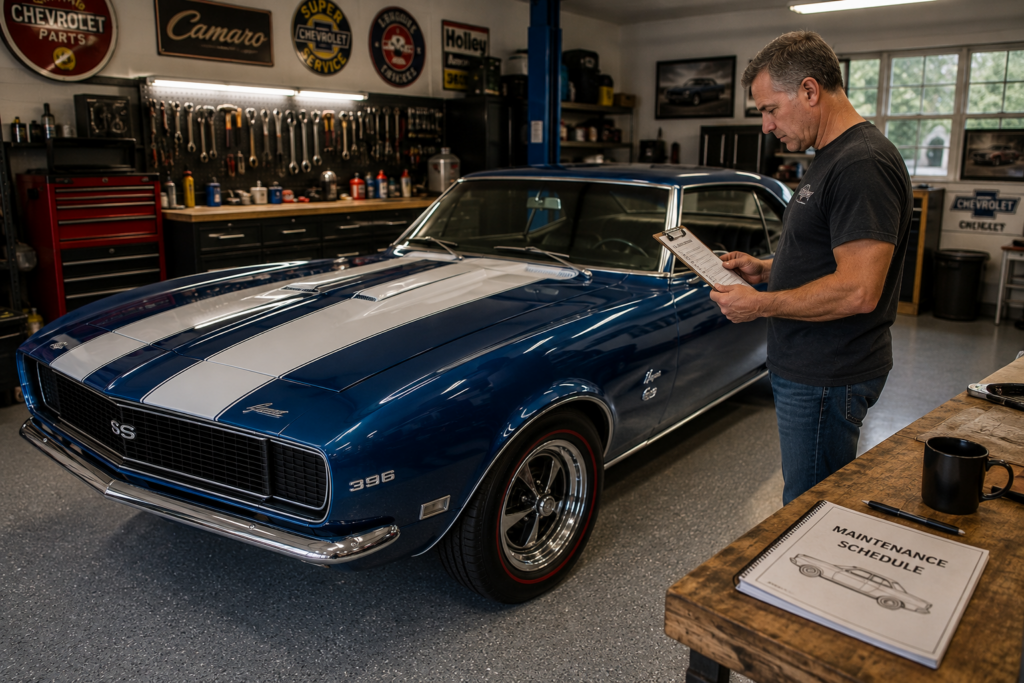
A classic car maintenance schedule helps owners keep restored vehicles reliable, clean, and ready for the road. Instead of waiting for problems to appear, a written schedule gives each part of the vehicle regular attention. This includes the engine, fluids, tires, brakes, battery, paint, interior, and storage conditions.
After a restoration, many owners focus on enjoying the finished car. That is understandable, but routine care is what helps preserve the work already completed. A restored vehicle can still develop leaks, corrosion, worn rubber parts, weak batteries, or stale fluids if it is not checked often. Creating a simple preventive maintenance schedule makes ownership easier and helps protect the car’s long-term value.
Why A Maintenance Schedule Matters For Classic Cars
Classic cars need a different care routine from modern daily drivers. Many vintage vehicles use older mechanical systems, carburetors, analog gauges, drum brakes, older wiring, and rubber components that react differently to age and storage. Even when a car has gone through a full restoration, it still benefits from consistent inspection.
A maintenance schedule gives structure to the process. It helps owners know what to check weekly, monthly, seasonally, and yearly. It also creates a record of completed work, which can be useful for future repairs, resale documentation, or long-term ownership planning. If your vehicle recently went through a complete rebuild, reviewing what goes into a full classic car restoration can help you understand which areas may need continued care.
Start With A Baseline Inspection
Before creating a schedule, begin with a full baseline inspection. This gives you a clear picture of the car’s current condition. Check the engine bay, underside, tires, brakes, lights, interior, glass, weatherstripping, paint, and storage setup. Look for leaks, loose fittings, cracked hoses, rust spots, uneven tire wear, unusual smells, or electrical issues.
Write everything down. A simple notebook, spreadsheet, or printed checklist can work. Include the date, mileage, parts inspected, issues found, and tasks completed. Keeping a record helps you notice patterns over time. For example, if the same fluid level drops repeatedly, there may be a leak that needs attention.
Basic Items To Record
- Current mileage
- Oil change date
- Coolant condition
- Brake fluid condition
- Tire pressure and tread condition
- Battery voltage
- Fuel condition
- Visible leaks or rust
- Recent repairs or upgrades
Building A Monthly Maintenance Routine
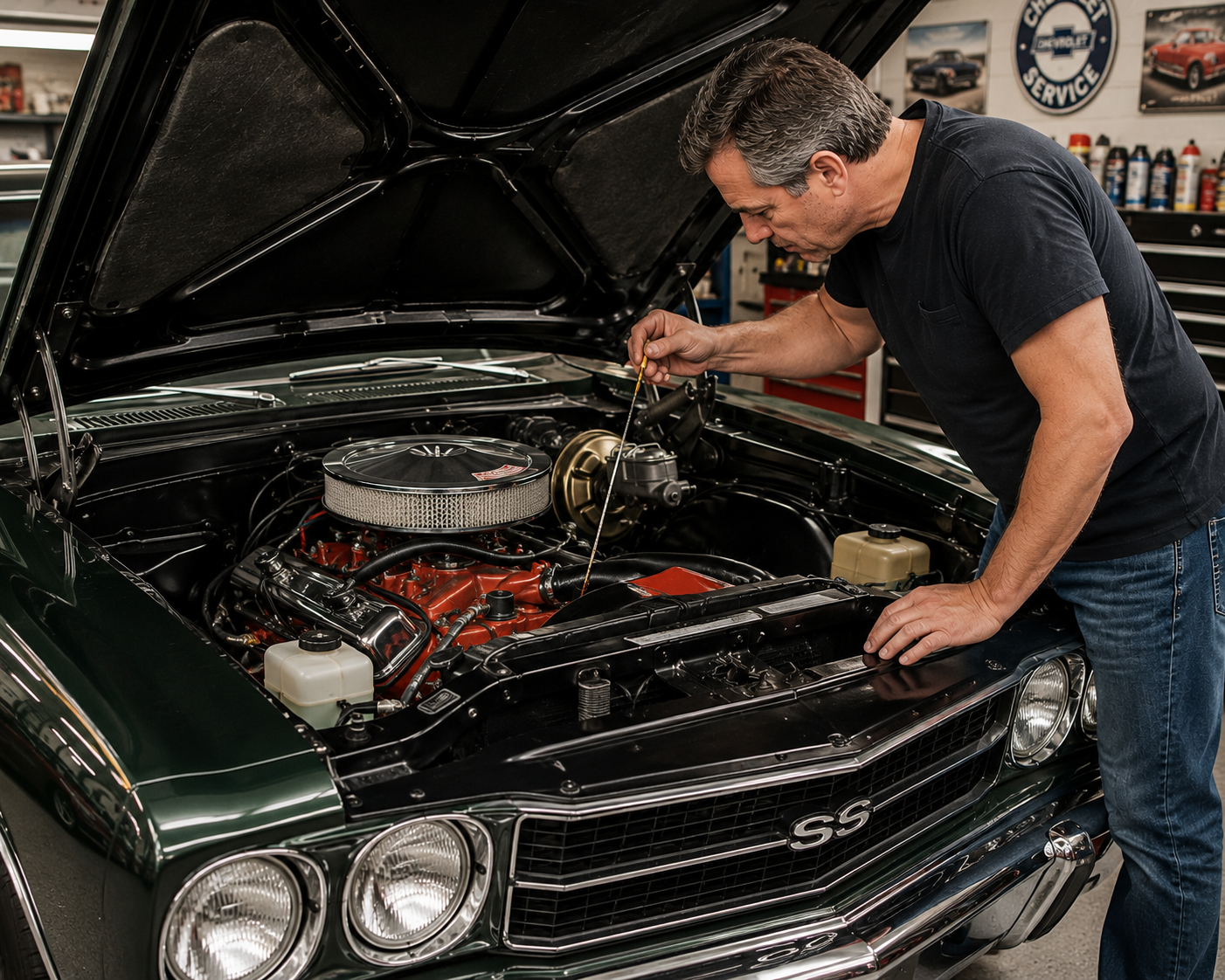
A monthly maintenance routine is ideal for classic cars that are driven occasionally. Even if the car is not used often, a monthly check helps prevent small issues from becoming larger problems. Start with the engine bay. Look at the oil level, coolant level, belts, hoses, wiring, clamps, and visible fuel lines. Older cars can develop leaks or brittle rubber parts from age and heat exposure.
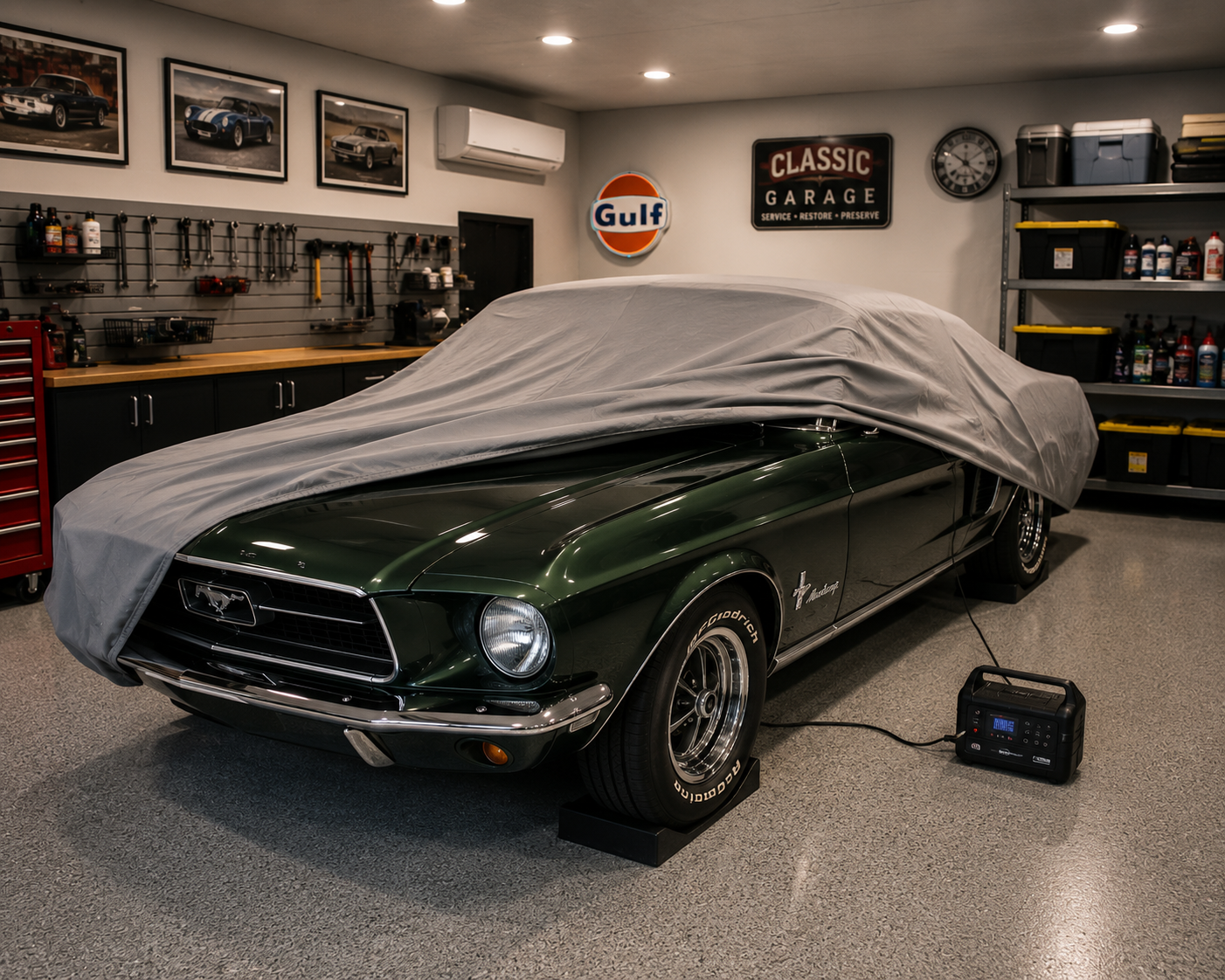
Next, check the battery. Classic cars that sit for long periods can lose charge. If the vehicle is not driven regularly, a battery maintainer can help keep the battery healthy. Make sure terminals are clean and tight. Corrosion around the terminals should be cleaned carefully.
Inspect the tires and tire pressure. Tires can lose air even when the car is parked. Low pressure can cause flat spots and uneven wear. If the vehicle sits for long periods, consider moving it slightly or using tire cradles. This helps reduce pressure on one area of the tire.
Monthly Checklist
- Check engine oil level
- Inspect coolant level
- Check brake fluid
- Inspect belts and hoses
- Test lights and signals
- Check battery terminals
- Inspect tire pressure
- Look for leaks under the car
- Start the engine and listen for unusual sounds
Having the right tools nearby makes these monthly checks easier. A quality socket set, torque wrench, inspection light, fluid funnel, jack stands, and tire pressure gauge can be useful for routine upkeep. For a helpful tool reference, see this guide on the top 10 must-have tools for restoring vintage cars.
Seasonal Inspections And Storage Checks
Seasonal maintenance is especially important for owners who store their cars during winter, rainy months, or extreme heat. At the start of each season, inspect the entire vehicle. Look closely at the paint, chrome trim, rubber seals, windshield wipers, door seals, trunk seals, and undercarriage.
Moisture is one of the biggest threats to classic cars. If the vehicle is stored in a garage, check for humidity, water leaks, and condensation. A climate-controlled space is ideal, but if that is not available, using moisture absorbers and proper ventilation can help. The car should be clean and dry before long-term storage.
Fuel care also matters. If the car sits for months, old fuel can cause starting and running issues. Using fresh fuel and proper storage practices can help protect the fuel system. Carbureted vehicles may need extra attention, especially if fuel evaporates or leaves deposits inside small passages.
Seasonal Checklist
- Wash and dry the exterior
- Apply wax or paint protection if needed
- Inspect chrome and trim
- Check rubber seals and weatherstripping
- Inspect the undercarriage for rust
- Check fuel condition
- Test the battery
- Clean and condition the interior
- Inspect storage space for moisture
Yearly Maintenance Tasks
Some classic car maintenance tasks do not need to happen every month, but they should still be scheduled at least once a year. Annual checks give you a chance to review the car more thoroughly. This includes brake inspection, suspension inspection, alignment check, cooling system review, and detailed underbody inspection.
Brake systems should be checked carefully. Look at brake lines, hoses, fluid, pads, shoes, drums, rotors, and the master cylinder. If the pedal feels soft, spongy, or uneven, the system may need service. Brake fluid can absorb moisture over time, which may reduce performance and contribute to corrosion inside the system.
The suspension and steering should also be reviewed. Worn bushings, loose steering parts, and aging shocks can affect ride quality and handling. Since classic cars may not have the same safety systems as modern vehicles, keeping steering and braking systems in good condition is especially important.
Annual Checklist
- Change engine oil and filter
- Inspect brake system
- Check suspension components
- Inspect steering parts
- Check alignment
- Flush or test coolant if needed
- Inspect exhaust system
- Check all lights and electrical connections
- Review restoration records and receipts
Keeping The Interior In Good Condition
The interior should be part of your maintenance schedule. Seats, carpets, dashboards, door panels, headliners, and trim pieces can fade, dry out, crack, or collect moisture over time. Leather interiors should be cleaned and conditioned with appropriate products. Vinyl and fabric should be cleaned gently to avoid damage.
Sun exposure can be harsh on vintage interiors. When possible, store the car away from direct sunlight. Use a windshield shade or indoor cover if the car is parked where sunlight reaches the cabin. Also, avoid leaving damp towels, tools, or cleaning supplies inside the car, as moisture can damage carpets and upholstery.
Proper storage helps prevent moisture-related issues. The AAA vehicle maintenance resources offer helpful guidance for long-term vehicle care.
Protecting The Exterior Finish
A restored paint job needs regular care. Wash the car with a gentle automotive soap and soft microfiber towels. Avoid automatic car washes because brushes can scratch the finish. Dry the vehicle carefully to prevent water spots. Wax or sealant can help protect the paint from dust, UV exposure, and light contaminants.
Chrome trim, wheels, and brightwork should also be cleaned with suitable products. Harsh cleaners can damage older finishes. Take your time around emblems, trim clips, and delicate parts. Many vintage details are harder to replace than modern parts, so gentle cleaning is best.
Tracking Parts And Service History
A maintenance schedule becomes more valuable when paired with a service history. Keep receipts, part numbers, photos, and notes. This record helps future mechanics understand what has been done. It also helps if you decide to sell the car later.
For rare vehicles, tracking parts is especially useful. Some components may be difficult to find, and documenting their source can save time later. If you are working on a vehicle with limited parts availability, this guide on sourcing rare vintage parts in the digital age may help support future maintenance planning.
Driving The Car Regularly
Classic cars are often healthier when they are driven regularly. Short, careful drives help circulate fluids, charge the battery, move fuel through the system, and keep seals from drying out. A car that sits too long can develop stuck brakes, weak batteries, stale fuel, and tire flat spots.
Before each drive, do a quick walkaround. Check tire pressure, look under the car for leaks, test the brakes, and make sure lights are working. After the drive, listen for unusual sounds and check for new fluid spots once the car is parked.
Conclusion
A preventive maintenance schedule helps classic car owners protect the work already invested in their vehicles. Monthly checks, seasonal inspections, annual service, proper storage, and detailed records all work together to preserve reliability and appearance. With a consistent routine, a restored classic car can remain cleaner, safer, and more enjoyable to drive for years.
Classic cars carry history, craftsmanship, and personality. Caring for them with a clear schedule keeps that character alive while reducing the chance of preventable problems. Whether your vehicle is a weekend cruiser, show car, or long-term collection piece, regular maintenance helps keep it ready for the next drive.