
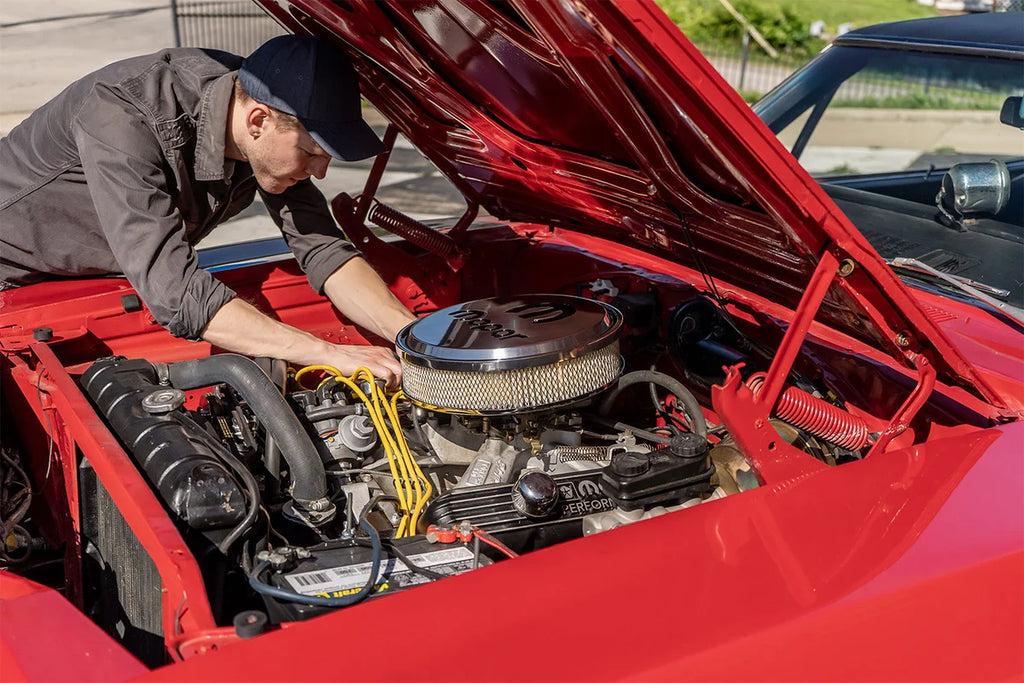
Classic cars were built during an era when gasoline formulations, fuel-system materials, and engine technology were very different from what drivers encounter today. Many vintage vehicles still rely on carburetors, mechanical fuel pumps, steel fuel tanks, and rubber fuel lines designed decades ago. As ethanol-blended gasoline becomes a familiar part of modern driving, understanding its effects on older vehicles is increasingly important.
The relationship between ethanol fuel and classic cars is not always straightforward. Many older vehicles can operate on gasoline containing modest amounts of ethanol, particularly when their fuel systems have been properly maintained or rebuilt with compatible materials. However, deteriorated hoses, aging seals, contaminated fuel tanks, and long storage periods can increase the likelihood of problems.
Fortunately, protecting a vintage fuel system does not necessarily require major modifications. Understanding fuel blends, inspecting vulnerable components, and following sensible storage practices can help preserve reliability without compromising originality. Owners undertaking more extensive work can also review what goes into a full classic car restoration to understand how fuel-system inspection fits into the overall rebuilding process.
What Is Ethanol-Blended Gasoline?
 Ethanol is an alcohol commonly produced from plant materials and blended with gasoline. It serves several purposes, including increasing octane and reducing reliance on petroleum. In the United States, ethanol blends are widely available at conventional gasoline stations.
According to the U.S. Department of Energy’s Alternative Fuels Data Center, E10 contains approximately 10% ethanol and 90% gasoline. E15 contains between 10.5% and 15% ethanol, while E85 is intended for compatible flexible-fuel vehicles.
Understanding E10, E15, and E85
For classic car owners, the distinction between these blends matters. E10 is approved for conventional gasoline vehicles under federal fuel rules, but approval does not mean every original rubber hose, gasket, or decades-old fuel-system component will remain compatible indefinitely.
E15 presents a different situation. The Environmental Protection Agency’s E15 guidance specifies that this blend is not approved for model-year 2000 and older cars. E85 requires a fuel system specifically designed or converted for high-ethanol operation.
Owners should check pump labels carefully and follow the specifications appropriate for their vehicle and its installed components.
How Ethanol Affects Older Fuel Systems
Ethanol has chemical properties that differ from conventional gasoline. It can interact with certain older rubber materials, attract moisture, and loosen deposits that have accumulated inside aging fuel systems.
These characteristics do not mean ethanol will automatically damage every classic vehicle. The actual risk depends on component materials, fuel condition, exposure time, storage environment, and maintenance history.
Compatibility With Vintage Materials
Older fuel hoses, seals, diaphragms, and gaskets may have been manufactured using materials that were not designed for prolonged ethanol exposure. Some can harden, soften, swell, crack, or lose their ability to seal properly.
In its discussion of living with ethanol in classic cars, Hagerty explains why compatible replacement materials and preventive maintenance are important for older fuel systems.
Moisture and Fuel Contamination
Ethanol can absorb water. Under certain conditions, especially when sufficient water enters stored fuel, phase separation can occur. This means part of the ethanol and water mixture separates from the gasoline, potentially creating corrosion and running problems.
Fuel age, humidity, temperature changes, and the condition of the tank all influence storage-related risks. Vehicles that remain parked for extended periods deserve particular attention.
Inspect Old Fuel Lines and Rubber Components
One of the most practical ways to protect a classic car is to inspect its fuel lines thoroughly. Rubber hoses may appear acceptable externally while deteriorating internally. Fuel leaks are particularly serious because gasoline can ignite when exposed to hot surfaces or electrical sparks.
Inspect flexible hoses around the fuel tank, pump, carburetor, and any connections between rigid metal lines. Look for cracking, swelling, hardened rubber, dampness, loose clamps, or persistent fuel odors.
Choose Fuel-Compatible Replacement Materials
When replacement becomes necessary, select automotive fuel hose specifically rated for the fuel blend, pressure, temperature, and installation involved. Modern ethanol-compatible hose and sealing materials can provide better resistance than many original components.
Do not substitute ordinary vacuum hose or general-purpose rubber tubing for fuel lines. These materials may not tolerate continuous gasoline exposure or the operating conditions of the fuel system.
Fuel-Line Inspection Checklist
- Examine rubber hoses for cracks and swelling.
- Inspect metal lines for corrosion or abrasion.
- Check fittings and clamps for leakage.
- Verify that hoses are suitable for ethanol-blended fuel.
- Keep lines away from excessive exhaust heat.
- Replace questionable components before driving.
Having appropriate inspection equipment makes these checks easier. Your existing article on the top 10 must-have tools for restoring vintage cars offers additional information about useful equipment for automotive restoration projects.
Check the Fuel Tank for Corrosion and Deposits
The fuel tank is another important inspection point. Many classic cars use steel tanks that can develop corrosion after years of exposure to moisture, old gasoline, and environmental conditions.
Rust particles and sediment may eventually enter the fuel lines, clog filters, or interfere with carburetor operation. Ethanol-containing gasoline can also loosen deposits that have accumulated over time, allowing contamination to move through the system.
Symptoms of a contaminated tank may include repeated fuel-filter blockage, inconsistent fuel delivery, hesitation, or difficulty starting. However, these symptoms can have several causes, so proper diagnosis is important.
Should You Restore or Replace the Tank?
If the tank is structurally sound, professional cleaning and inspection may be appropriate. Severely corroded tanks, damaged seams, or persistent leaks may justify replacement.
For historically significant vehicles, retaining original components can be desirable. However, fuel containment and safety should take priority over preserving a deteriorated tank.
When authentic replacement components are difficult to locate, consult the guide to sourcing rare vintage parts in the digital age for ideas on researching original and reproduction components.
Maintain the Carburetor and Fuel Pump
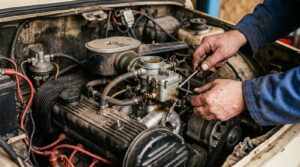 Carburetors contain small passages, jets, floats, gaskets, and needle valves that must remain clean and properly adjusted. Deposits from aging fuel can interfere with these components and cause starting problems, hesitation, rough idle, or inconsistent fuel delivery.
Mechanical fuel pumps may also contain diaphragms and seals made from materials that deteriorate with age. Rebuilding these assemblies with compatible components can improve reliability while preserving a traditional engine appearance.
SEMA has discussed the effects of ethanol and moisture on older carburetors and fuel-system components in its automotive industry technical coverage.
Watch for Carburetor Warning Signs
Common warning signs include hard starting after storage, rough idle, hesitation during acceleration, flooding, unusual fuel odors, and repeated fuel-filter contamination.
These problems do not automatically prove ethanol damage. Ignition timing, vacuum leaks, incorrect adjustments, fuel-pump problems, and general engine wear can produce similar symptoms.
A systematic diagnosis is preferable to replacing parts without identifying the underlying problem.
Choose the Right Gasoline for Your Classic
Fuel selection should reflect the engine’s compression ratio, required octane, carburetor calibration, fuel-system materials, and intended use.
Some owners prefer ethanol-free gasoline where it is available because it can simplify certain storage and material-compatibility concerns. However, ethanol-free gasoline is not automatically necessary for every restored classic, and its availability and price vary by location.
Octane and Ethanol Content Are Different
Premium gasoline does not necessarily mean ethanol-free gasoline. Octane measures resistance to engine knock, while ethanol content describes the proportion of alcohol in the fuel.
Choose the octane rating appropriate for the engine rather than assuming the highest available rating always provides better performance.
The Department of Energy explains these differences in its ethanol fuel basics guide.
Prepare the Fuel System for Storage
Storage is especially important for classic vehicles driven only during weekends, car shows, or favorable weather. Fuel left unused for extended periods can deteriorate, leaving deposits that interfere with starting and normal operation.
Before storing the vehicle, determine whether the manufacturer or a qualified classic-car specialist recommends a full tank, draining specific components, or another preparation method for the particular fuel system.
For many gasoline-powered collector cars, fresh fuel and an appropriate stabilizer are commonly recommended before seasonal storage. However, long-term storage procedures may differ depending on fuel composition, tank construction, and vehicle design.
Understand Fuel Stabilizers
Fuel stabilizers are designed to help slow certain changes associated with gasoline aging. They are not a substitute for repairing leaks, removing contaminated fuel, or replacing deteriorated components.
Always follow the product manufacturer’s instructions. Using more than the recommended amount does not necessarily improve protection.
Hagerty’s classic car winterization and storage guide offers additional guidance on preparing collector vehicles for periods of inactivity.
Should You Upgrade to Electronic Fuel Injection?
Electronic fuel injection is increasingly considered by owners who want improved drivability, more consistent fuel metering, or easier starting. However, it is not the only solution to fuel-related problems.
A properly rebuilt carburetor can still provide dependable performance when matched with a healthy engine and suitable fuel system.
Fuel-injection conversions can require additional components, including an appropriate fuel pump, pressure regulation, return lines, wiring, sensors, and electrical-system upgrades.
For owners prioritizing originality, a traditional carburetor may remain the preferred choice. For a frequently driven restomod, a carefully engineered injection system may offer practical advantages.
Consider the Entire Vehicle
Before modifying fuel delivery, evaluate the engine, ignition system, charging system, cooling system, and existing wiring. A poorly planned conversion can introduce new problems even when the individual components are high quality.
The decision should reflect the vehicle’s purpose, restoration goals, and available budget rather than following a trend simply because newer technology exists.
Make Fuel-System Care Part of Regular Maintenance
Preventive inspections are especially valuable for classic cars because deterioration can develop gradually between drives.
Include fuel hoses, fittings, tank condition, filters, carburetor connections, and fuel-pump operation in your normal maintenance routine.
Suggested Fuel-System Maintenance Checklist
- Check for gasoline odors before driving.
- Inspect flexible hoses and fittings.
- Look for dampness around the fuel pump and carburetor.
- Monitor repeated fuel-filter contamination.
- Use fuel appropriate for the vehicle.
- Follow suitable seasonal storage procedures.
- Document replaced parts and fuel-system modifications.
- Investigate unusual starting or running symptoms.
These tasks can be incorporated into your preventive maintenance schedule for a classic car, helping ensure that fuel-system inspections are completed alongside other important checks.
Know When Professional Inspection Is Necessary
Some maintenance tasks are suitable for experienced owners, but fuel-system repairs require particular care because gasoline is highly flammable.
Persistent fuel odors, visible leaks, damaged tanks, deteriorated fuel lines, or uncertain previous modifications should be evaluated before the vehicle is driven.
Never inspect a leaking fuel system near open flames, sparks, cigarettes, or hot equipment. Work in a properly ventilated area and use equipment appropriate for automotive fuel systems.
Owners should also avoid operating a vehicle with suspected fuel leakage until the problem has been corrected.
Preserve Originality While Improving Reliability
One of the most appealing aspects of classic car ownership is preserving original engineering and craftsmanship. Fortunately, fuel-system reliability improvements can often be made without changing the vehicle’s outward appearance.
Compatible hoses, properly rebuilt carburetors, refreshed fuel pumps, clean tanks, and discreet replacement fittings can help maintain a period-correct engine compartment.
Documenting the work and retaining serviceable original components can also be useful for future restoration decisions.
For broader ownership guidance, see essential tips for maintaining your classic car after restoration, which explains how routine care supports the condition of a completed project.
Conclusion: Protect Your Classic Car’s Fuel System
Ethanol-blended gasoline does not automatically make classic car ownership difficult, but older fuel systems deserve careful attention. Aging rubber hoses, deteriorated seals, contaminated tanks, and neglected carburetors can create problems regardless of how attractive or well-restored a vehicle appears.
Understanding fuel compatibility, selecting appropriate replacement materials, inspecting components regularly, and preparing the vehicle properly for storage can help reduce preventable fuel-system problems.
The most effective approach balances modern fuel requirements with the original character of the vehicle. With thoughtful maintenance and properly selected components, classic car owners can preserve the mechanical personality of their vintage vehicles while enjoying more dependable driving for years to come.