
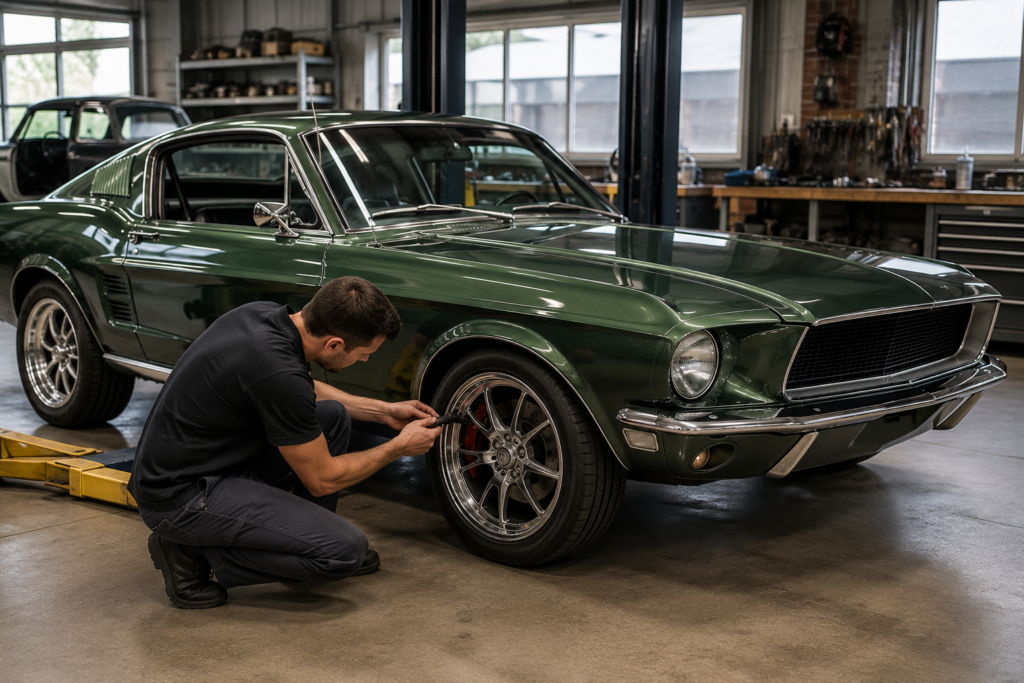
Classic cars have a personality that modern vehicles often cannot duplicate. The mechanical feel, analog controls, distinctive styling, chrome details, and unmistakable engine sound are major reasons enthusiasts continue to restore and drive vintage vehicles. However, many classics were designed decades before today’s expectations for braking, lighting, tires, occupant protection, and reliability.
Fortunately, improving safety does not necessarily mean turning a vintage vehicle into something that feels completely modern. Carefully selected modern safety upgrades for classic cars can improve confidence behind the wheel while preserving the appearance and personality that made the vehicle special in the first place.
The key is choosing upgrades that complement the car rather than overwhelm it. Owners considering extensive work should first understand what goes into a full classic car restoration, because safety improvements are often easiest to integrate while mechanical, electrical, and interior systems are already being rebuilt.
Why Consider Modern Safety Upgrades?
Many classic vehicles were engineered when traffic speeds, tire technology, lighting standards, and driver expectations were different. Depending on the vehicle and its original equipment, a classic may have drum brakes, lap belts, older sealed-beam headlights, bias-ply tires, manual steering, basic mirrors, or an electrical system that has endured decades of repairs and modifications.
That does not automatically make an older vehicle unsuitable for driving. It does mean owners should understand its limitations. The National Highway Traffic Safety Administration provides extensive information about vehicle safety and the role that components such as tires, lighting, restraints, and braking systems play in safe vehicle operation.
The growing restomod movement also shows that enthusiasts increasingly want to combine vintage design with selected modern technology. SEMA has documented continued interest in classic vehicles equipped with contemporary performance, comfort, reliability, and safety improvements.
Upgrade the Braking System
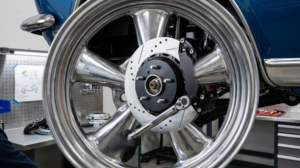 Brakes are one of the first areas worth evaluating when planning a safety-focused classic car upgrade. Many vintage cars originally used four-wheel drum brakes. Properly maintained drum brakes can function effectively within their intended operating conditions, but modern disc brake systems can offer advantages such as improved heat management and more consistent braking during repeated stops.
A front disc conversion is a common approach because the front brakes handle much of the work during deceleration. Depending on the vehicle, owners may also consider four-wheel discs, a dual-reservoir master cylinder, an appropriately matched brake booster, upgraded brake hoses, and renewed hard lines.
The goal should not simply be to install the largest brake components available. Wheel size, suspension geometry, master-cylinder sizing, pedal ratio, vehicle weight, and intended driving style all influence how the braking system should be configured.
Keep the Upgrade Visually Appropriate
Owners who want a factory-inspired appearance can often choose components that fit behind period-style wheels. Calipers can be selected in understated finishes rather than bright colors, and modern master cylinders can sometimes be positioned without dramatically changing the appearance of the engine compartment.
This approach reflects the broader question of restoration versus modification. If you are still deciding how far to modernize a project, your existing guide to restoring versus customizing a classic car can help define the direction of the build.
Choose Better Tires for Real-World Driving
Tires are the vehicle’s connection to the road, so they deserve special attention. A beautifully restored suspension and powerful braking system can only perform through the available tire grip.
Classic-looking tires are available with more modern construction, allowing owners to maintain a vintage appearance without necessarily using technology identical to what was fitted decades ago. The correct choice depends on wheel dimensions, suspension clearance, vehicle weight, speed rating, and intended use.
Age also matters. A tire can have substantial tread remaining while still deteriorating because of time, heat, sunlight, and environmental exposure. Owners should routinely inspect sidewalls for cracking, unusual bulges, uneven wear, or other signs of deterioration.
The NHTSA tire safety resources explain tire maintenance, identification, inflation, and other considerations that are useful for both modern and vintage vehicle owners.
Improve Classic Car Lighting and Visibility
Driving a classic after sunset can reveal how dramatically automotive lighting has changed. Older sealed-beam headlights may provide substantially different illumination than drivers accustomed to contemporary vehicles expect.
Modern replacement headlights can provide improved illumination while retaining round or rectangular shapes appropriate for a classic vehicle. The most tasteful installations keep the exterior appearance simple rather than introducing obviously futuristic lighting.
Headlight performance is only part of the equation. Tail lamps, brake lamps, turn signals, license plate lamps, dashboard illumination, and marker lights should all be inspected. Poor grounds, corroded sockets, aged wiring, and weak electrical connections can reduce lighting performance even when the bulbs themselves are functioning.
Do Not Overlook Mirrors and Wipers
Visibility upgrades can be extremely subtle. Fresh windshield wiper blades, a properly operating washer system, correctly adjusted mirrors, restored glass, and clean headlamp lenses can noticeably improve the driving experience without changing the vehicle’s character.
If replacing exterior mirrors, look for period-appropriate designs that provide a useful field of view. The objective is better awareness without making the car look visually inconsistent with its era.
Upgrade Seat Belts and Occupant Protection
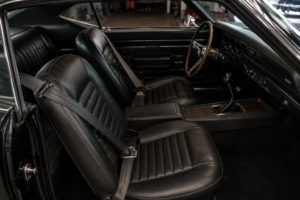 Seat belts deserve careful consideration whenever a classic car is intended for regular road use. Depending on its year and original configuration, a vehicle may have lap belts, older restraints, or components that have deteriorated with age.
Where the vehicle structure and installation allow it, owners sometimes upgrade to three-point restraint systems designed specifically for classic applications. Retractable assemblies can often be integrated relatively discreetly using upholstery-compatible colors and thoughtfully positioned mounting hardware.
Any restraint modification needs proper mounting and suitable structural attachment points. A belt is only useful when the installation can manage the forces involved. This is an area where professional evaluation may be especially worthwhile.
When an interior is already being rebuilt, restraint planning can be incorporated alongside seat frames, carpeting, trim, and upholstery. Your guide to restoring classic car interiors provides additional context for coordinating interior work while retaining a cohesive period appearance.
Inspect and Modernize Aging Electrical Systems
Electrical reliability is an important part of classic vehicle safety. Wiring deteriorates with age, heat, vibration, previous repairs, and improper modifications. A vehicle may have accumulated decades of spliced wires, aftermarket accessories, replacement switches, or damaged connectors.
During a major restoration, inspect the harness carefully. Brittle insulation, burned terminals, inadequate grounds, incorrectly sized wiring, and poorly protected circuits deserve attention.
Consider a Replacement Harness When Appropriate
For extensively modified vehicles, a professionally installed replacement wiring harness can provide modern circuit protection while maintaining the original appearance of switches, gauges, lights, and accessories. Hidden fuse panels and carefully routed wiring can keep the cabin and engine compartment visually clean.
Electrical upgrades are especially important when adding higher-output headlights, electric cooling fans, fuel injection, upgraded audio equipment, air conditioning, or other accessories. Additional electrical demand should be considered as a complete system rather than adding individual components without evaluating alternator capacity and circuit protection.
Consider Steering Improvements
Classic steering feel is part of the attraction of driving an older vehicle, so steering modifications should be approached thoughtfully. Excessive play, worn tie rods, deteriorated bushings, loose steering boxes, and tired ball joints should first be repaired before assuming that the entire system needs modernization.
Some owners choose upgraded steering boxes, power-assisted systems, or modern steering components that improve precision without eliminating road feel. The ideal setup depends on whether the car is intended for shows, occasional cruising, long-distance touring, or more frequent driving.
Refresh the Suspension Before Adding Performance
A safety-oriented suspension upgrade does not have to mean an extremely stiff ride or lowered stance. Replacing worn components may provide the biggest improvement.
Inspect springs, shocks, control-arm bushings, ball joints, wheel bearings, sway-bar bushings, and mounting points. Once worn components are corrected, modest improvements such as better dampers or thoughtfully selected sway bars can improve stability while maintaining classic ride characteristics.
Owners purchasing a vehicle for modification should evaluate these areas before deciding how extensive the project will become. The classic car inspection checklist covers many of the body, mechanical, suspension, and documentation issues worth examining before investing in a project.
Add Reliability Without Making It Obvious
Not every safety improvement needs to be visible. Better cooling-system components, quality fuel hoses, reliable clamps, improved charging systems, refreshed engine mounts, and carefully installed electronic ignition can help make an older car more dependable.
Reliability matters because unexpected mechanical problems can create safety concerns on busy roads. The objective is not to remove every original component simply because modern alternatives exist. Instead, identify weak, deteriorated, or unsuitable systems and improve them where doing so makes sense for the vehicle’s intended use.
Keep the Original Parts Whenever Practical
If originality and future collectability matter, consider retaining removed factory components. Label and store original brakes, wheels, steering components, lighting assemblies, radios, or other valuable pieces whenever practical.
This can make certain modifications reversible and helps preserve the vehicle’s history. Authentic components can also become difficult to replace. Your guide to sourcing rare vintage parts explains why careful parts management is important during restoration.
Resources from the Antique Automobile Club of America can also be useful for enthusiasts interested in preservation, authenticity, and the broader historical side of classic vehicle ownership.
Build Safety Upgrades Into the Restoration Plan
The best time to plan many upgrades is before a restoration is complete. Brake lines can be routed while the chassis is accessible. Wiring can be installed before the interior goes back together. Seat-belt mounting points can be evaluated before carpeting and upholstery are finished. Lighting improvements can be coordinated during electrical work.
Planning early helps avoid removing newly installed components later. It can also produce a cleaner result because upgrades become part of the restoration rather than appearing as afterthoughts.
Keep records of installed parts, specifications, service intervals, and modifications. Once the vehicle is complete, incorporating those items into a preventive maintenance schedule for your classic car can help keep both original and upgraded components in good working condition.
Preserve the Experience That Makes a Classic Special
There is no universal formula for modernizing a classic car. A historically significant survivor may deserve a very different approach from a regularly driven restomod. A concours restoration may prioritize originality, while a weekend cruiser may benefit from upgrades that make regular driving more comfortable and predictable.
The most successful projects begin with a clear goal. Decide which elements of the vehicle’s original experience matter most to you. Perhaps it is the steering feel, engine character, exterior appearance, original dashboard, wheel design, or period-correct interior. Once those priorities are established, safety upgrades can be chosen around them.
The result does not have to look like a modern car wearing a vintage body. With careful planning, improved brakes, tires, lighting, restraints, wiring, steering, and suspension can work quietly in the background while the vehicle continues to look and feel unmistakably classic.
Conclusion
Modern safety upgrades can make a classic car more confidence-inspiring without sacrificing the qualities that make vintage vehicles desirable. The best approach focuses on thoughtful improvements rather than replacing every old component simply because newer technology exists.
Start with the systems that have the greatest influence on real-world driving: brakes, tires, lighting, restraints, steering, suspension, and electrical reliability. Select components that suit the vehicle, integrate them carefully, and preserve original parts whenever appropriate.
Ultimately, the goal is balance. A classic car should still feel connected to its era while being prepared for the way it will actually be driven today. When safety upgrades are carefully planned as part of the restoration, owners can preserve vintage character while creating a classic that is more enjoyable and practical to use on the road.