
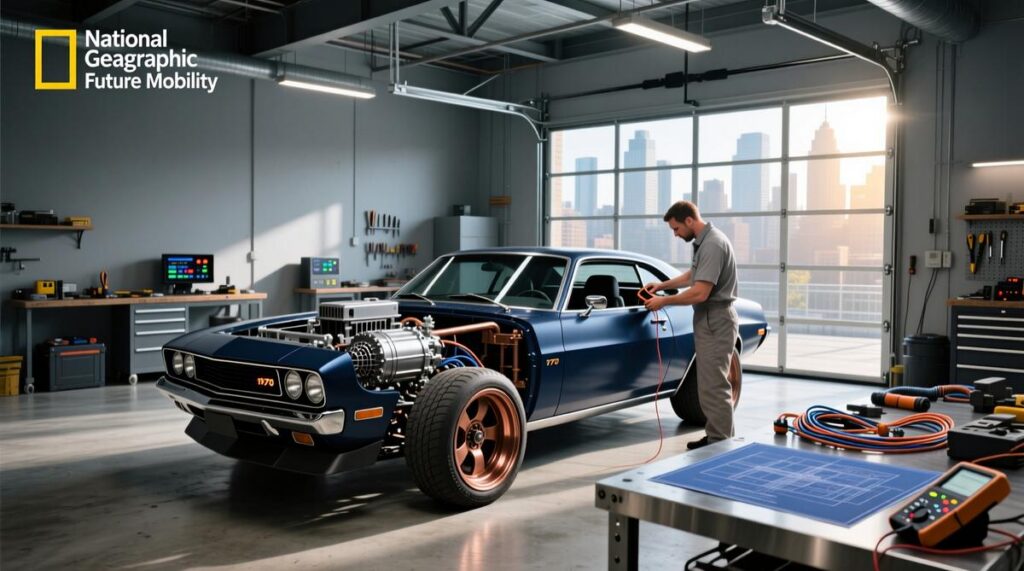
 Classic cars are admired for their distinctive styling, mechanical character, and connection to automotive history. For many enthusiasts, preserving the original engine and drivetrain is an essential part of ownership. However, a growing number of classic car owners are exploring a different approach: replacing traditional gasoline engines with modern electric powertrains.
Electric conversions offer an interesting way to combine vintage styling with contemporary technology. Instead of rebuilding an aging combustion engine, owners can install an electric motor, battery pack, and supporting electronics while retaining much of the vehicle’s original appearance.
Interest in electric classic cars has gained visibility in the automotive industry. MotorTrend’s 2026 feature, Would You Electrify a Classic Car?, showcases numerous examples, from modest vintage conversions to expensive high-performance builds.
However, converting a classic car to electric power involves more than removing an engine. Weight distribution, battery placement, electrical safety, charging requirements, and overall vehicle compatibility must all be considered before starting a project.
What Is a Classic Car EV Conversion?
An electric vehicle conversion replaces a traditional internal combustion engine with an electric propulsion system. Depending on the design, the original transmission may be retained, modified, or replaced with a different drivetrain arrangement.
The gasoline engine, fuel tank, exhaust system, and other combustion-related components are generally removed. They are replaced with an electric motor, battery pack, inverter or motor controller, charging equipment, and supporting electrical systems.
The objective is to make the vehicle operate using electricity while preserving its recognizable exterior and, where practical, its original interior and structural features.
Why Are Enthusiasts Considering Electric Conversions?
Some owners want a quieter driving experience, while others are interested in electric torque, simplified routine powertrain maintenance, or experimenting with modern automotive technology.
Electric conversions also create opportunities for preserving vehicles that might otherwise remain unused because of unavailable engine parts or difficult mechanical repairs.
SEMA has covered the growing interest in electric conversions for vintage vehicles, highlighting the engineering considerations involved in adapting modern electric drivetrains to older platforms.
Understanding the Main Components of an EV Conversion
A successful electric conversion depends on several components working together. Each part has a specific purpose, and the overall system must be designed around the vehicle’s dimensions, weight, intended range, and performance requirements.
Electric Motor
The electric motor replaces the original engine as the primary source of propulsion. Motor selection depends on the vehicle’s weight, desired acceleration, power requirements, and available installation space.
Some conversions use a single motor connected to an existing transmission, while others use a direct-drive arrangement. The correct approach depends on the vehicle and the conversion system being installed.
Battery Pack
The battery pack stores the electrical energy needed to operate the motor. Lithium-ion batteries are commonly used in modern electric vehicles because of their energy density and performance characteristics.
Battery capacity affects driving range, but installing the largest possible battery is not always the best decision. A larger pack can add considerable weight and may require extensive modifications to accommodate it safely.
Motor Controller and Battery Management System
The motor controller regulates the power delivered to the electric motor. The battery management system monitors battery conditions, including voltage, temperature, and operating limits.
These components are essential for predictable operation and battery protection. They must be correctly matched to the motor, battery chemistry, charging equipment, and overall electrical architecture.
Battery Placement, Weight, and Vehicle Balance
One of the biggest engineering challenges in classic car electrification is deciding where to install the batteries. Unlike modern electric vehicles, older cars were not originally designed around large battery enclosures.
Some conversion designs place battery modules in the engine compartment, while others use the former fuel tank area, transmission tunnel, rear compartment, or specially engineered chassis enclosures.
Every location creates different considerations. Poor placement can affect axle loading, handling, braking, suspension behavior, and available passenger or luggage space.
Why Weight Distribution Matters
Battery weight should be evaluated before components are purchased. The vehicle’s original gross vehicle weight rating, axle capacities, suspension condition, and structural strength all matter.
The U.S. Department of Energy’s electric vehicle conversion guidance specifically highlights battery packaging and the ability of the original chassis to support additional weight.
A professional conversion should include measurements of the vehicle’s original weight and the expected weight distribution after installation. Suspension and braking systems may also require modifications to accommodate the new configuration.
How Much Does an Electric Classic Car Conversion Cost?
 Cost is one of the biggest considerations when planning an EV conversion. The final price depends on the vehicle, battery capacity, motor selection, installation complexity, fabrication requirements, and amount of custom engineering involved.
A relatively simple conversion for a lightweight vehicle can cost substantially less than a high-performance build involving a large battery pack, custom chassis components, and extensive interior modifications.
SEMA’s conversion coverage has cited approximately $20,000 as a historical baseline for certain basic small-vehicle builds, while performance projects can exceed $100,000. These figures are examples from its earlier industry coverage, not current quotations or universal pricing.
For additional cost context, Electrogenic’s electric conversion FAQs explain how battery capacity, motor performance, and custom engineering influence project pricing.
Additional Expenses to Consider
- Electric motor and controller
- Battery modules and protective enclosure
- Charging equipment
- High-voltage wiring and electrical protection
- Custom motor and battery mounting
- Suspension and brake modifications
- Cooling and thermal management equipment
- Professional engineering and installation labor
- Testing, inspections, registration, and insurance adjustments
Creating a realistic budget before beginning the conversion helps prevent unexpected expenses. The project should also include a contingency allowance for fabrication and compatibility issues.
Preserving the Classic Appearance
One of the most appealing aspects of an electric conversion is the possibility of keeping the original exterior appearance. A vintage Mustang, Corvette, Porsche, or classic pickup can retain its familiar body lines, chrome details, wheels, and original-style interior.
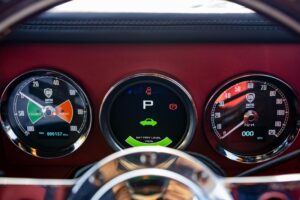
Modern technology does not have to dominate the visual design. Charging ports can sometimes be integrated discreetly, while battery displays and diagnostic equipment can be positioned away from the main dashboard.
Some conversion builders also retain original switches, gauges, and interior details wherever practical.
Keep Original Components When Possible
Before removing the original engine and transmission, document their condition and retain serviceable parts. Original components may have historical or collector value, even if they are no longer used.
Some conversions are designed to be reversible, although the extent of reversibility depends on the mounting method, fabrication work, and modifications made to the original structure.
Owners deciding between originality and modern technology may find it helpful to revisit restoring versus customizing a classic car before committing to an electric drivetrain.
Charging and Driving Range Expectations
Driving range depends on battery capacity, vehicle weight, motor efficiency, driving speed, terrain, temperature, and accessory usage.
A lightweight classic car with a modest battery may be suitable for local cruising, while a larger touring vehicle may require a more substantial battery system.
Owners should identify how they intend to use the car before selecting a battery. A vehicle primarily used for short weekend drives may not need the same range as one intended for regular longer journeys.
Planning the Charging Setup
Charging equipment should be selected according to the battery system and the electrical supply available where the vehicle will be stored. The installation should include appropriate electrical protection and charging interlocks.
Home charging arrangements should be evaluated by a qualified electrician. Owners should also consider where the charging port will be located and whether the cable can reach conveniently without creating a tripping hazard.
The RAC guide to electric vehicle conversions provides an overview of motors, battery systems, charging components, and other equipment involved in converting a conventional vehicle.
Safety and Engineering Considerations
Electric conversions introduce high-voltage equipment into vehicles that were originally designed around conventional automotive electrical systems. This requires specialist knowledge and careful installation.
Battery enclosures must be securely mounted. High-voltage cables need appropriate insulation, routing, protection, and labeling. Fuses, contactors, battery management systems, and emergency isolation arrangements must be correctly engineered.
Thermal management is another important consideration. Batteries, motors, and power electronics operate within specific temperature limits. An appropriately designed cooling system helps maintain reliable operation.
Do Not Overlook the Original Chassis
A classic vehicle’s frame and suspension must be suitable for the new powertrain. Structural corrosion, previous repairs, and worn suspension components should be addressed before adding battery weight.
Braking performance must also be evaluated. Regenerative braking may contribute to deceleration, but it does not eliminate the need for properly functioning mechanical brakes.
In the United States, applicable federal requirements and state registration rules should be reviewed before work begins. The Department of Energy’s conversion guidance discusses relevant federal vehicle safety considerations, including FMVSS 305 for certain electric-powered vehicles.
Choosing the Right Vehicle for an EV Conversion
Not every classic car is an ideal conversion candidate. A suitable vehicle should have a structurally sound chassis, sufficient space for battery installation, and a weight capacity appropriate for the proposed system.
Parts availability, overall vehicle condition, and the cost of fabrication also influence whether the project makes financial and practical sense.
Before purchasing a donor vehicle, use a classic car inspection checklist to identify structural, mechanical, and documentation issues that could complicate the conversion.
For a larger project, having the right equipment and specialist knowledge is essential. Reviewing the essential tools for vintage car restoration can also help owners understand the workshop requirements involved in a major build.
Is an Electric Conversion Right for Your Classic Car?
An EV conversion can be an interesting option for owners who value modern propulsion, quieter operation, and a distinctive driving experience. It may also make sense when the original drivetrain is missing, severely damaged, or difficult to rebuild.
However, owners who prioritize original engine sound, mechanical interaction, factory specifications, and historical authenticity may prefer to retain the original powertrain.
There is no universally correct decision. The right choice depends on the vehicle, the owner’s priorities, the available budget, and the intended use.
Conclusion: Combining Vintage Character With Electric Technology
Electric conversions offer a different direction for classic car enthusiasts who want to combine vintage styling with modern propulsion. However, a successful project requires more than installing an electric motor and battery pack.
Weight distribution, battery placement, electrical safety, charging requirements, chassis compatibility, and professional engineering all deserve careful attention before work begins.
For some owners, preserving the original gasoline engine will always be the preferred way to enjoy a classic car. For others, electric propulsion creates an opportunity to give an older vehicle a completely different driving experience.
Ultimately, the best conversion is one that respects the vehicle’s design, meets appropriate safety requirements, and reflects the owner’s long-term vision without overlooking the engineering needed to make it work.