
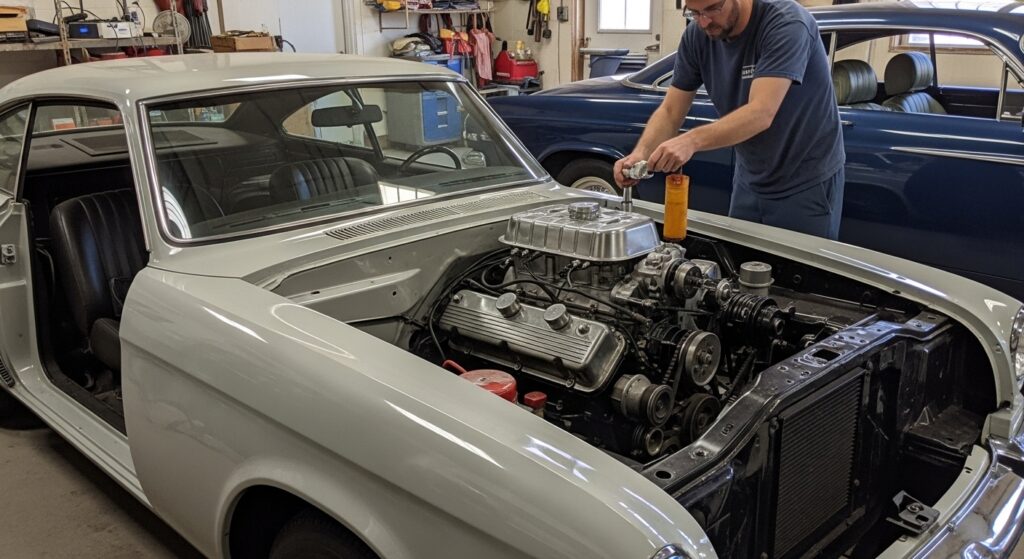
Classic car restoration is a fascinating yet demanding process, but is it worth it? If you’ve ever wondered whether restoring a classic car is the right choice for you, this article dives into the pros and cons of classic car restorations. By weighing these factors, you can make an informed decision about whether embarking on a restoration project aligns with your goals and expectations.
The Pros of Classic Car Restoration
Restoring a classic car can be an exciting and rewarding experience, but there are several key advantages to consider. Here are some of the most compelling reasons why car enthusiasts choose to restore their vintage vehicles:
1. Preserving Automotive History
Restoring a classic car allows you to preserve a piece of automotive history. Classic cars hold sentimental value and represent a time in history when automotive design and craftsmanship were highly valued. By restoring a car, you’re helping to keep that piece of history alive for future generations to appreciate. Many collectors feel a strong connection to the vintage cars they restore, as they represent a unique era of design and engineering. Learn more about the iconic vintage cars that shaped automotive history.
2. Increasing the Car’s Value
One of the most significant advantages of restoring a classic car is the potential increase in its value. A properly restored car, especially if it’s a rare model or in-demand make, can significantly appreciate over time. Classic cars, particularly those in original or near-original condition, are often in high demand at auctions and from collectors. A well-restored car could even become a valuable asset for the owner. It’s not uncommon for a car that was once a rust bucket to become a valuable collector’s item with the right care and attention. As long as the restoration is done to a high standard, the car can increase in both emotional and monetary value. Explore classic car investment insights with Hagerty.
3. Satisfaction and Pride of Ownership
Restoring a classic car provides a sense of accomplishment and pride. The restoration process is not just about the final product, but also about the journey. The satisfaction of seeing your car come back to life, piece by piece, is unmatched. Every detail completed, whether it’s the engine, bodywork, or interior, brings you closer to the car’s original glory. It’s a rewarding process that many enthusiasts cherish. The feeling of turning the key and hearing the engine roar to life after months or even years of hard work is something that no amount of money can replace.
4. Customization and Personalization
 Restoring a classic car doesn’t mean you have to stick to the original specifications. It’s also an opportunity for customization. You can opt for modern upgrades, such as enhanced suspension systems, performance engines, or a fresh interior design that suits your personal style. Customization is a great way to create a car that’s uniquely yours. While many enthusiasts choose to restore cars to their original condition, others take the opportunity to enhance their vehicle with modern amenities like updated sound systems or air conditioning, making it a unique hybrid of old and new. See how customization plays a role in modern classic car restorations.
The Cons of Classic Car Restoration
While restoring a classic car has its many advantages, it’s important to understand the challenges and downsides as well. Here are some of the major drawbacks to consider:
1. High Costs
Restoring a classic car can be an expensive endeavor. From purchasing the car itself to sourcing the necessary parts and paying for skilled labor, the costs can quickly add up. It’s not uncommon for restoration projects to cost tens of thousands of dollars, especially if the car requires extensive work or rare parts. Restoration projects often go over budget, so be prepared for the financial commitment. Rare cars can require special materials and labor-intensive work, pushing the costs even higher. Additionally, while restoring your car, you may discover additional issues that need to be addressed, leading to unexpected costs. Find out more about the costs involved in classic car restoration.
2. Time-Consuming
Classic car restoration is a time-intensive process. Depending on the extent of the restoration, it can take months or even years to complete. The time commitment involved can be overwhelming, especially if you’re doing the work yourself. Restorations are often delayed by parts shortages or unforeseen issues that arise during the process. If you’re looking for a quick turnaround, a classic car restoration might not be the best option for you. Additionally, restoration requires a significant amount of research, planning, and expertise. Time spent sourcing parts, finding specialists, and ensuring the quality of work can all add to the overall time investment.
3. Risk of Over-Improvement
One of the challenges with restoring a classic car is the risk of over-improvement. Some restoration projects may stray too far from the original design in an attempt to make the car “better” than it was. However, this could end up hurting the car’s value, especially if it loses its authentic appeal. Over-customizing or over-polishing a car could detract from its vintage charm and make it less desirable to collectors. While enhancing performance or safety features can be appealing, it’s important not to compromise the car’s original integrity.
4. Finding the Right Parts
 Another major drawback is the difficulty in finding the right parts for your classic car. As time passes, certain car parts become obsolete or difficult to find. While some parts can be sourced from salvage yards or aftermarket suppliers, rare parts might require extensive searches or custom fabrication, which can increase the time and costs of the restoration. The rarity of some classic car models means that you may have to rely on specialty shops or manufacturers to get the authentic parts required for your restoration. Read about sourcing rare vintage parts for restoration projects.
Conclusion: Is It Worth It?
Classic car restoration is a rewarding but complex endeavor. For many enthusiasts, the satisfaction of breathing new life into a vintage vehicle outweighs the challenges involved. While it can be costly and time-consuming, the joy of driving a fully restored classic car, along with the potential for increased value, makes it a worthwhile investment for those who are passionate about preserving automotive history. Whether it’s for the love of the car or the potential financial rewards, restoring a classic car is a project that many enthusiasts treasure. It’s an investment of both time and money, but one that pays off in terms of personal satisfaction and the preservation of a piece of history.