
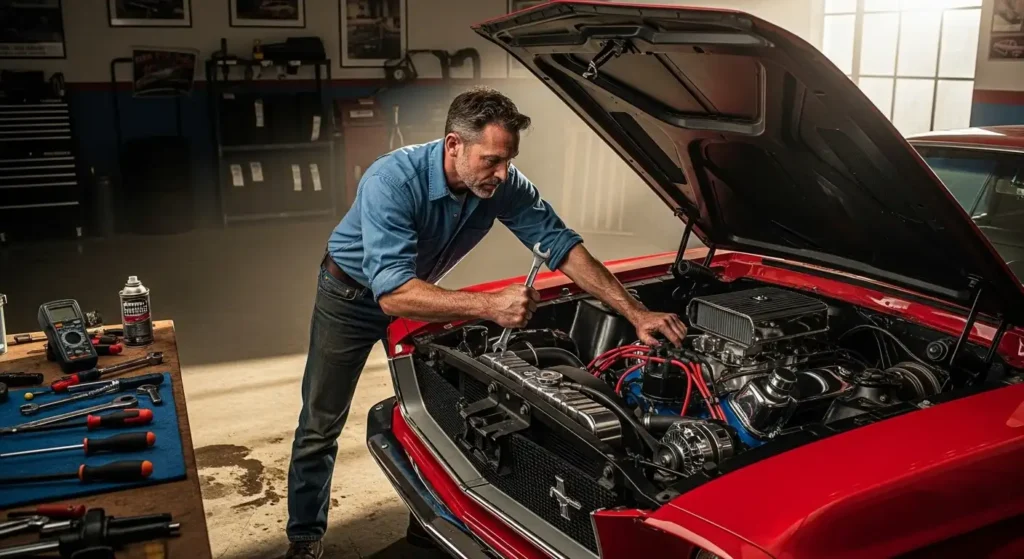
Factors to Consider When Selecting a Restoration Project
Restoring a classic car is a dream for many automotive lovers. Bringing an iconic ride back to life offers both a creative challenge and a rewarding result. But before you begin, choosing the right restoration project is crucial — the wrong car can cost you time, money, and motivation. This guide covers the key factors like car condition, budget, parts availability, and project goals to help you make the right choice.
1. Assess the Condition of the Car
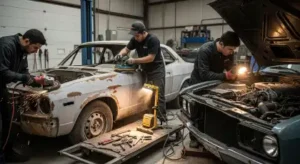 The first step in selecting the right restoration project is a realistic assessment of the car’s condition. Start with the visible body panels, chassis, and frame. Look for major rust, dents, or structural issues, especially around the undercarriage, wheel wells, and rocker panels. Significant corrosion in these areas can make a project far more complex than anticipated.
Aside from the exterior, check the mechanical components — engine, transmission, brakes, and suspension. A vehicle that still runs or requires only engine tuning might be a better project car than one with a seized engine or failing drivetrain. If you’re unsure what to look for, our How to Spot a Great Restoration Project Car guide offers specific tips for evaluating condition before purchase.
2. Consider Model Rarity and Value
Rarity matters in the classic car world. Certain models not only have significant collector appeal but also hold or gain value over time. Cars like early Corvettes, Mustangs, and classic Porsches often draw strong market interest — making their restoration more worthwhile.
However, rarity can also mean limited parts and higher costs. Research the specific model to see if quality parts are available before committing. Linking back to related content, check out “The Top 5 Classic Cars Worth Restoring” to explore vehicles with good restoration potential and investment value.
3. Set a Realistic Budget
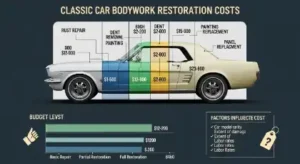 Restoration projects often cost more than expected. A realistic budget should include:
- The purchase price of the car.
- Parts and materials, including body panels, trim, mechanical systems, and interior components.
- Labor costs, if you’re not doing the work yourself.
- Unexpected expenses, because surprises are inevitable.
To understand typical restoration costs and considerations, an external overview like Auto Bahn Automotive’s cost breakdown can be useful. Setting financial limits helps you choose a project car that aligns with your budget without overspending.
4. Evaluate Parts Availability
Before committing to a restoration project, it’s important to consider parts availability. Some classic cars, especially rare models, may require specialized parts that are difficult to find or expensive to source. On the other hand, more common models may have a wide range of aftermarket parts available.
Start by researching online forums, classic car clubs, and parts suppliers to determine how easy it will be to find the parts you need for the car you’re considering. Some classic cars may have dedicated suppliers that offer original or reproduction parts, while others may require custom-made components or parts sourced from salvage yards.
Keep in mind that some classic car parts may be pricey, especially if they are in short supply. Ensure that you have access to the right resources before starting the restoration, so you can avoid delays and unexpected costs due to parts shortages. To help you find the right parts, visit trusted online resources like Classic Car Restoration Club.
5. Full Restoration vs. Partial Project
Deciding between a full ground‑up restoration, a partial mechanical rebuild, or just cosmetic improvements determines cost, timeline, and complexity. A full restoration involves disassembly and rebuilding of every major system — body, frame, engine, and interior. This yields a show‑quality result, but it is labor‑intensive.
A partial restoration focuses on specific areas like engine work, paint, or upholstery and may suffice if the car is already mechanically solid. Evaluate your goals: Do you want a show car or a reliable cruiser?
If you want insight into the full process before committing, review “What Goes Into a Full Classic Car Restoration?,” which breaks down each step clearly.
6. Assess Your Skill Level and Resources
 The more work you can do yourself, the lower your out‑of‑pocket costs. However, classic car restoration demands a range of skills — mechanical, electrical, bodywork, and often welding. If you’re just getting started, consider a project that matches your comfort level.
If restoration skills are limited, lean on professional help or workshops that specialize in vintage vehicles — especially for complex tasks like frame repair or drivetrain rebuilds. Some restorers even seek classes or mentor relationships to build confidence before diving in.
7. Consider the Emotional Investment and Long‑Term Enjoyment
Restoring a classic car is not just a financial investment; it’s also an emotional one. Whether you’re restoring a car you’ve always dreamed of owning or one with sentimental value, your passion will sustain you through challenges.
That said, it’s important to balance emotion with practicality. Choose a project that excites you without becoming overwhelming. For inspiration on maintaining your ride once restored, check “Top 5 Tips for Maintaining Your Vintage Car.”
Conclusion
Selecting the right restoration project requires thoughtful research, honest assessment, and clear goals. Look at the car’s condition, rarity, parts situation, and your own skills and resources before deciding. Keep your budget in mind, and be realistic about what you can achieve — whether that’s a full restoration or a targeted refresh.
Choosing well makes the restoration journey not only successful but enjoyable. If you want personalized guidance based on your car and goals, don’t hesitate to contact Vintage Hammer Garage for expert advice and next steps.