
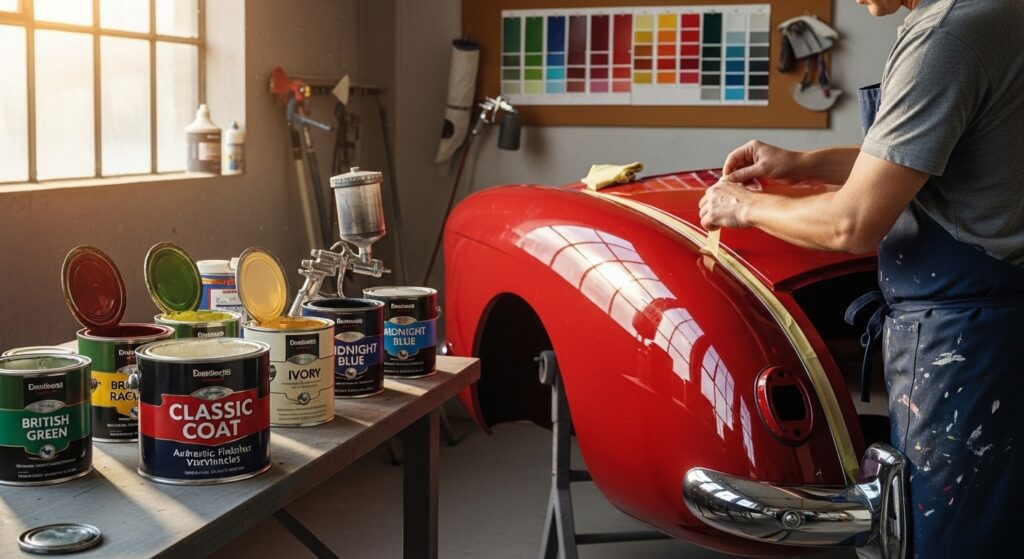
When restoring a classic car, choosing the right paint is a crucial step in ensuring the vehicle looks as beautiful as it did when it first rolled off the factory floor. Whether you’re aiming for authenticity or giving your vintage vehicle a custom look, the paint you choose can make a significant impact on the final result. In this guide, we’ll walk you through the steps to select the best paint for your classic car restoration.
Factors to Consider When Choosing Classic Car Paint
Choosing the right paint involves more than just picking a color. You’ll need to consider the type of paint, the finish, and the techniques used to apply it. Here are some key factors to consider:
1. The Type of Paint
When restoring a classic car, there are several types of paint you can choose from. Each type has its benefits, and it’s important to select the one that best suits your restoration goals:
- Single-Stage Paint: This is a more traditional option that combines the color and clear coat in one step. It’s ideal for those looking to preserve the car’s original look and is often used for factory-style restorations. This paint type can provide a solid, durable finish, but it may not offer the same level of protection against environmental factors like a multi-stage paint job. Learn more about single-stage paint here.
- Base Coat/Clear Coat: A more modern approach, base coat/clear coat offers a high-gloss finish and better durability. It also allows for more color flexibility and creativity. The base coat provides the color, while the clear coat adds depth, gloss, and protection. This method is perfect for those who want a sleek, shiny finish with an extra layer of protection.
2. Authenticity vs. Customization
If you’re looking to restore your car to its original condition, it’s essential to match the exact shade of paint that was used when the car was first manufactured. Some car owners may even go as far as using the same type of paint that was available at the time of production. This can be a meticulous process, especially if the car was painted in a rare or discontinued color. For those interested in a more personalized restoration, a custom color might be more suitable. Whatever your choice, make sure the paint you select complements the car’s design and purpose. Learn more about classic car paint restoration and customization.
3. Choosing the Right Finish
 The finish of your paint job is also an important consideration. Classic cars often have a glossy, high-shine finish, but matte finishes and satin can give a modern twist to your restoration. Here’s a quick rundown of the different types of finishes:
- Gloss Finish: The traditional and most common finish for classic car restorations, offering a smooth, shiny appearance. It reflects light in a way that highlights the car’s curves and details, giving it an elegant and timeless look.
- Satin Finish: A more understated finish with a soft sheen, perfect for a contemporary or vintage feel without excessive gloss. It’s a good choice for a more subtle appearance, especially for owners of classic cars who want a less flashy restoration.
- Matte Finish: A growing trend for custom builds, providing a sleek, no-shine look that can add a unique touch to a classic car. Matte finishes are ideal for those who want to move away from the conventional glossy look and explore a more modern and sleek appearance for their vehicle. Read more about custom car finishes here.
4. Durability and Protection
Classic cars are meant to be admired, but they also need to endure wear and tear. The paint you choose should provide protection against elements like UV rays, rain, and dirt. Choose high-quality paint that’s resistant to fading, chipping, and scratching. It will not only enhance your car’s appearance but also keep it looking great for years to come. When considering durability, you should also factor in the climate and environment in which you’ll be using the car. For instance, if you live in a region with harsh weather conditions, you’ll want to choose a paint that provides additional protection against the elements.
5. The Right Application Method
Lastly, consider how the paint will be applied. Hand spraying and airbrushing are the most common methods used for classic car restoration. Both techniques require skilled craftsmanship, so be sure to work with a professional restoration team that has experience in applying paint to classic cars. This ensures that the finish will be flawless and long-lasting. Paint application isn’t something you can rush; precision and patience are key to achieving an impeccable result.
6. The Importance of Prepping the Surface
Before applying paint, it’s critical to properly prepare the surface of the car. This means stripping away any old paint, rust, and imperfections. A smooth, clean surface is essential for achieving a perfect finish. Surface preparation also includes addressing any dents or scratches that could affect the paint job. A professional auto body shop will thoroughly prep the surface to ensure that the paint adheres well and provides the longest-lasting result possible. Read about the full restoration process here.
7. Considering the Type of Classic Car You Have
The type of classic car you’re restoring also plays a role in the paint you choose. For example, muscle cars from the 1960s and 1970s often look best with bold, bright colors and glossy finishes, while vintage European cars may benefit from a more subdued color palette with a satin or matte finish. Researching the history of the specific car model can give you insight into what colors were originally used and what is historically accurate for your restoration. However, remember that customizing the color of your vehicle is always an option for a unique twist.
Why Professional Paint Jobs Matter
While it may be tempting to try to save money with a DIY paint job, restoring a classic car requires a level of expertise that only professionals can offer. A skilled team will understand the intricacies of paint application, ensuring that your car’s paint job is smooth, even, and durable. At Vintage Hammer Garage, we use only the finest paints and equipment to deliver top-notch results on every project. Whether you’re looking to restore your car to its original glory or give it a custom finish, trust professionals to achieve a flawless result.
Choosing the Right Paint Color for Your Classic Car
The color of your car is perhaps one of the most personal choices in the restoration process. Classic cars come in a wide variety of colors, and each car model has certain color options that were available when the car was first produced. The color you choose will depend on your personal preferences and the overall vision for your car’s restoration. Additionally, if you’re planning to sell the car, you’ll want to consider the resale value of the color you choose. Some classic car colors are more desirable than others, depending on the model and era.
Color Trends in Classic Car Restoration
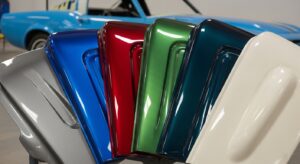 In recent years, more and more car owners are opting for modern twists on traditional colors, such as matte blacks, satin finishes, and even custom two-tone color schemes. It’s important to consider both the historical accuracy of your color choice and how it fits with the car’s era. Some colors have stood the test of time and remain popular among classic car enthusiasts, such as bright reds, vibrant blues, and elegant blacks. Ultimately, your choice should reflect your vision for the vehicle while still maintaining its classic charm. Learn more about current car restoration trends with Car and Driver.
Conclusion: Bringing Your Classic Car Back to Life
Choosing the right paint for your classic car restoration is essential for bringing out its best features. Whether you’re restoring a muscle car or a vintage truck, the paint is the final touch that completes the transformation. With the right materials, finish, and professional application, your restored car will look and feel like new, all while preserving its authenticity and value.